Organic African cotton
The Cotton made in Africa Organic standard represents a twofold expansion of existing standard schemes. On the one hand, it extends the CmiA standards for improving the working and living conditions of small-scale cotton farmers by incorporating the elements of an organic standard from the internationally recognised IFOAM Family of Standards. On the other hand, it complements organic certification with criteria and indicators of the Cotton made in Africa standard, which takes a holistic approach to covering people, prosperity, and the planet as dimensions of sustainability.
Certified
The CmiA Organic standard is a double certification
It requires certified cotton to both fulfil CmiA criteria and be certified by one of the organic standards approved under the IFOAM Family of Standards, which are officially endorsed as organic and include both private and government regulations, such as the EU Organic Regulation Nº 2018/848 or the USDA National Organic Program (NOP). Organic cultivation excludes the use of agricultural chemicals like synthetic chemical pesticides and artificial fertilisers, thereby significantly reducing expenditure on agricultural inputs for cotton cultivation while also protecting biodiversity, water sources, and people’s health in cotton-growing regions.
Principles
CmiA standards already set strict rules in order to promote socially and environmentally sustainable cotton production. For instance, CmiA prohibits the use of genetically modified seeds. It also disallows potentially dangerous pesticides (substances that are covered by international conventions and are at high risk for acute and long-term toxicity) and requires the strict management of certain substances with high ecotoxicity potential. Furthermore, CmiA is rigorous in ensuring that permitted pesticides are used only when necessary and with appropriate safety precautions in place for their storage, handling, application, and disposal. In addition, only rainwater can be used for irrigation.
CmiA Organic focusses specifically on small-scale farmers in African countries south of the Sahara. It not only encompasses rigorous, globally applicable requirements for organic farming but also incorporates environmental, economic, and social dimensions in the context of sustainable development. There are separate criteria and indicators at the field level (for cultivation) and at the ginnery level. CmiA partners are required to observe criteria that address various issues, such as
- prohibiting child labour and all forms of forced labour;
- ensuring fair working conditions, including freedom of assembly and freedom to organise;
- guaranteeing a safe and healthy working environment; and
- ensuring respectful and non-discriminatory conduct.
Further improvements in the living conditions of people in cotton-growing regions are achieved through community projects supported by CmiA and its partners. These considerations regarding social welfare and labour rights issues are not covered in “plain” organic certifications.
CmiA Organic refers to a combination of standards, whereby the Managing Entity is assessed for compliance with the requirements of two standards systems, namely the CmiA standard in its latest version AND a recognised organic standard. The Managing Entity thus undergoes two checks from independent assurance providers (control bodies): one for organic and the other for CmiA Organic, which itself is a fully fledged CmiA verification combined with additional requirements for CmiA Organic.
The farmers receive additional income from the CmiA Organic cotton they sell in the form of an organic premium from the Managing Entity that purchases their cotton. The premium is calculated based on market prices, usually amounting to between ten and 15 percent of the price for conventional cotton. This premium can represent a significant boost to the financial position of small-scale farmers, as cotton is often their only cash crop. Another financial benefit to growing CmiA Organic cotton is that they have fewer expenses since they no longer have to purchase synthetic pesticides or fertilisers.
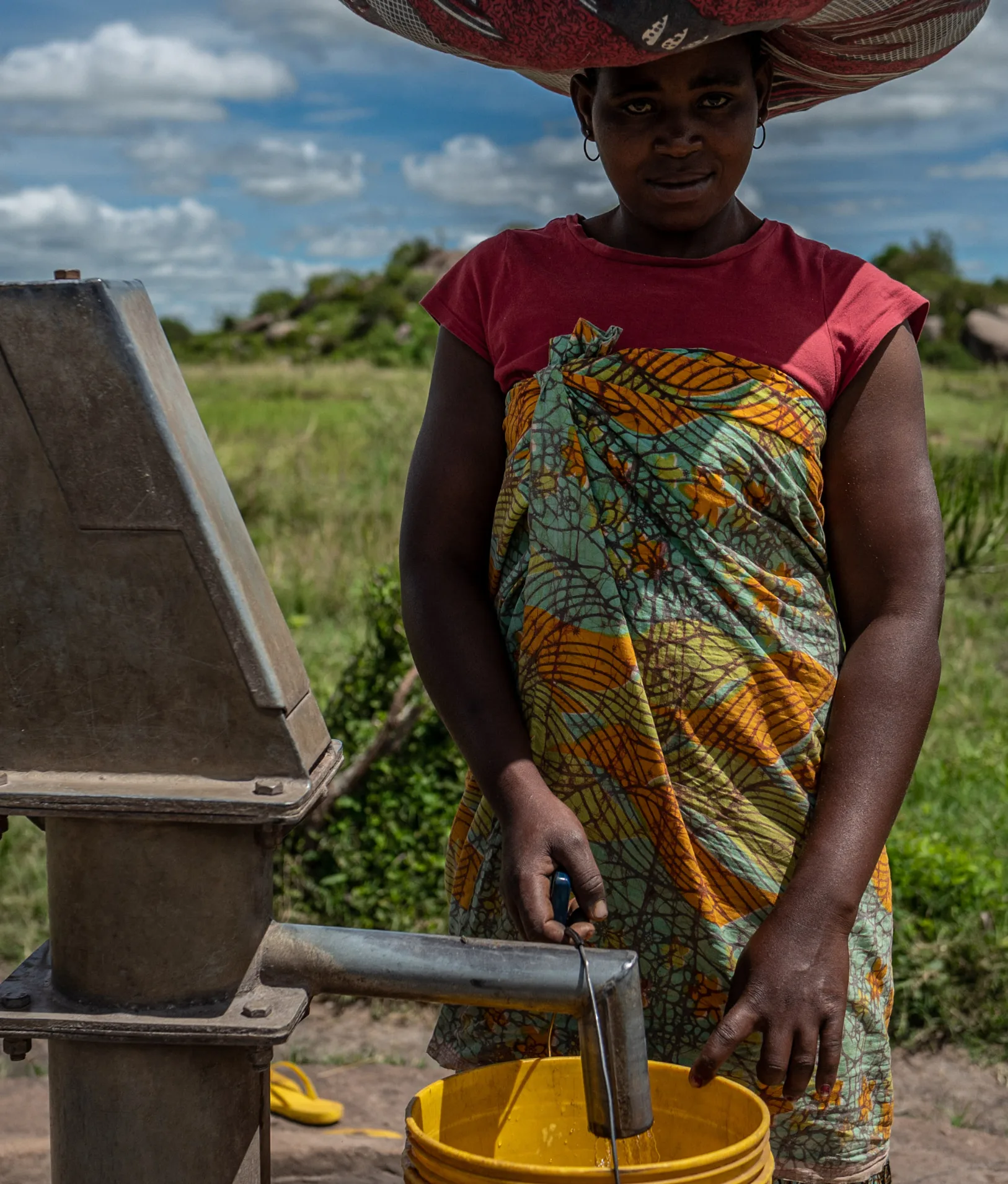
Voices
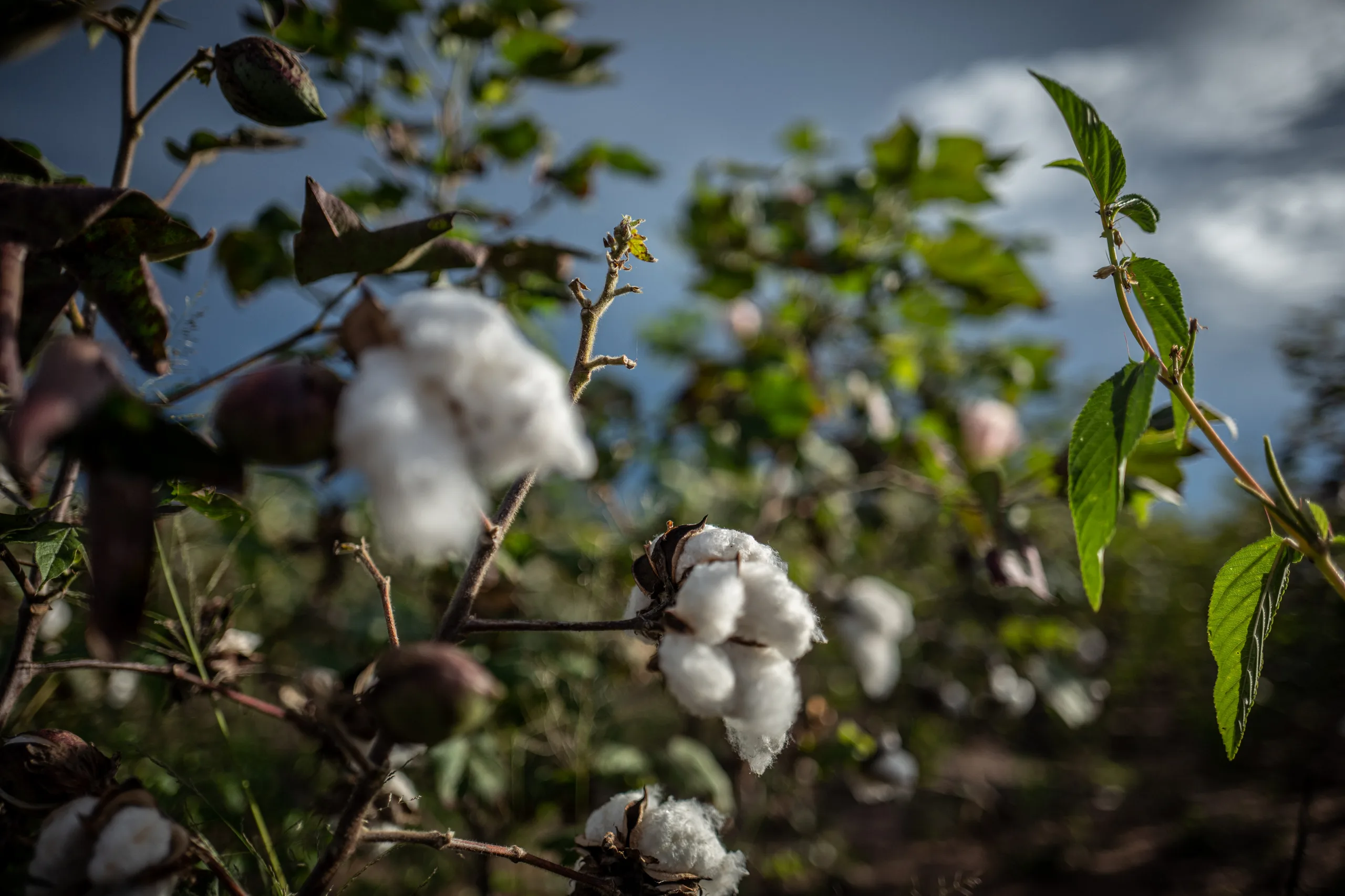
Organic fields
See the land and people behind every bale
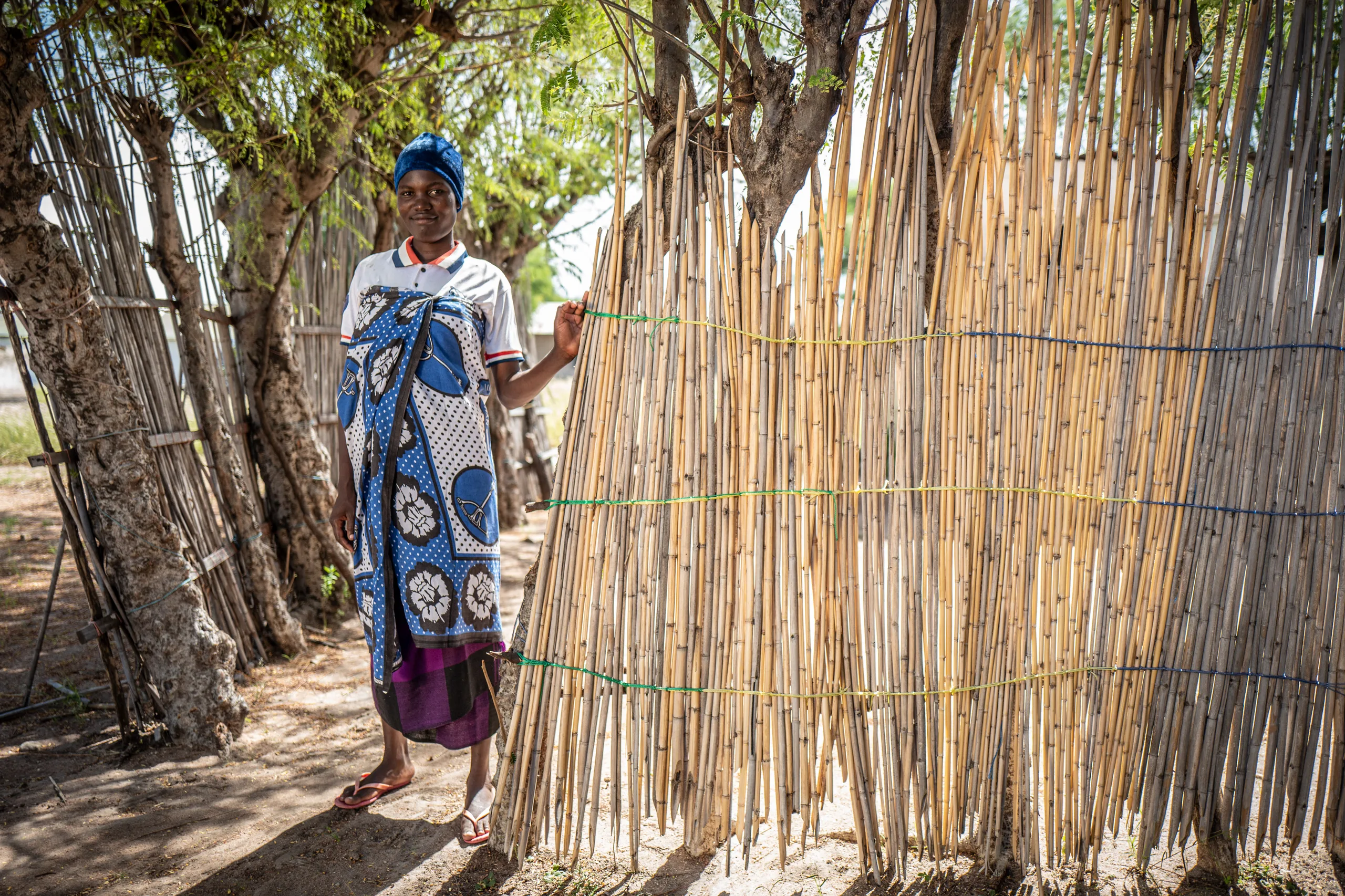
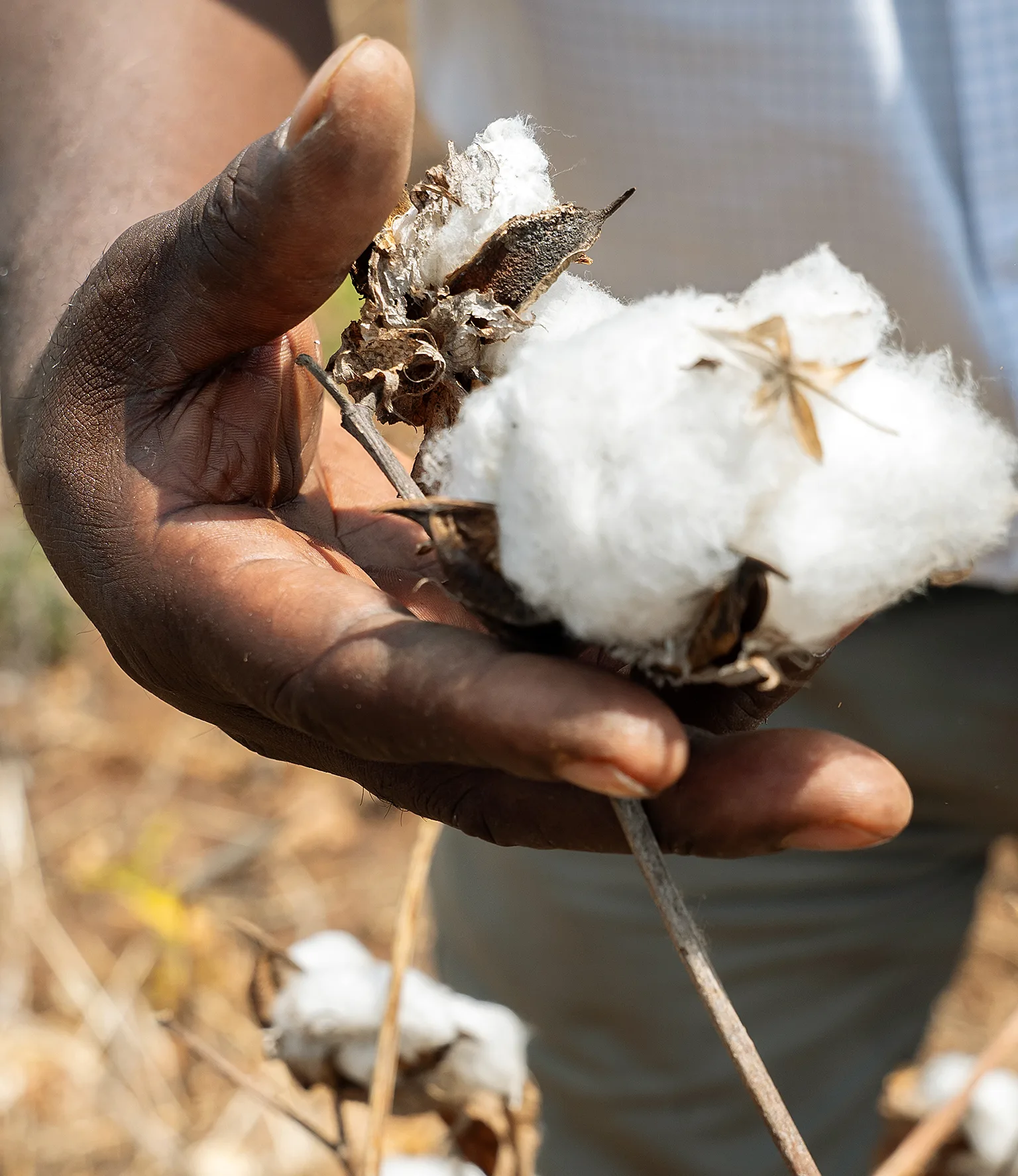
“CmiA Organic changed how we farm. No chemicals, better soil, better income.”
Read our farmer interview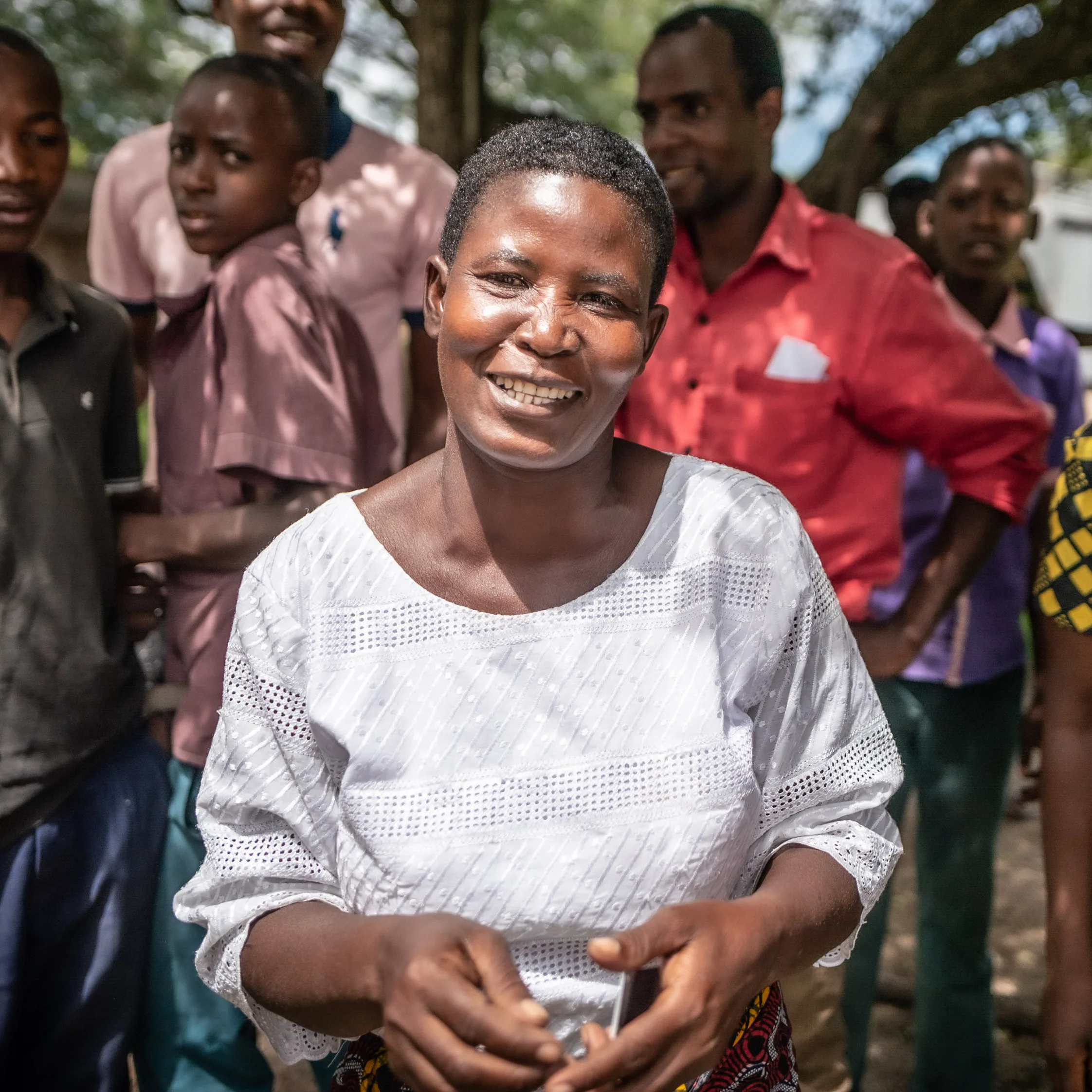
Join the movement
Source certified organic cotton with full traceability and impact. Explore our Life Cycle Assessment to see the numbers behind the story.
Become a partnerDownload LCA