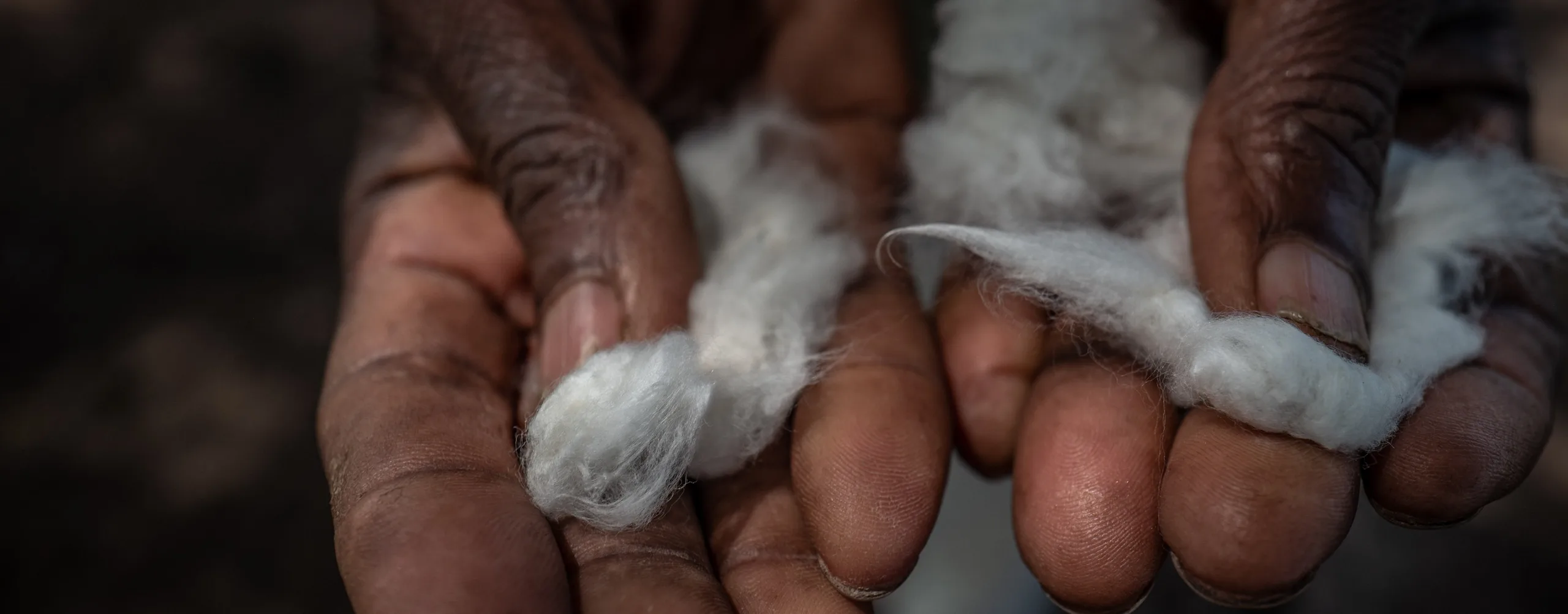
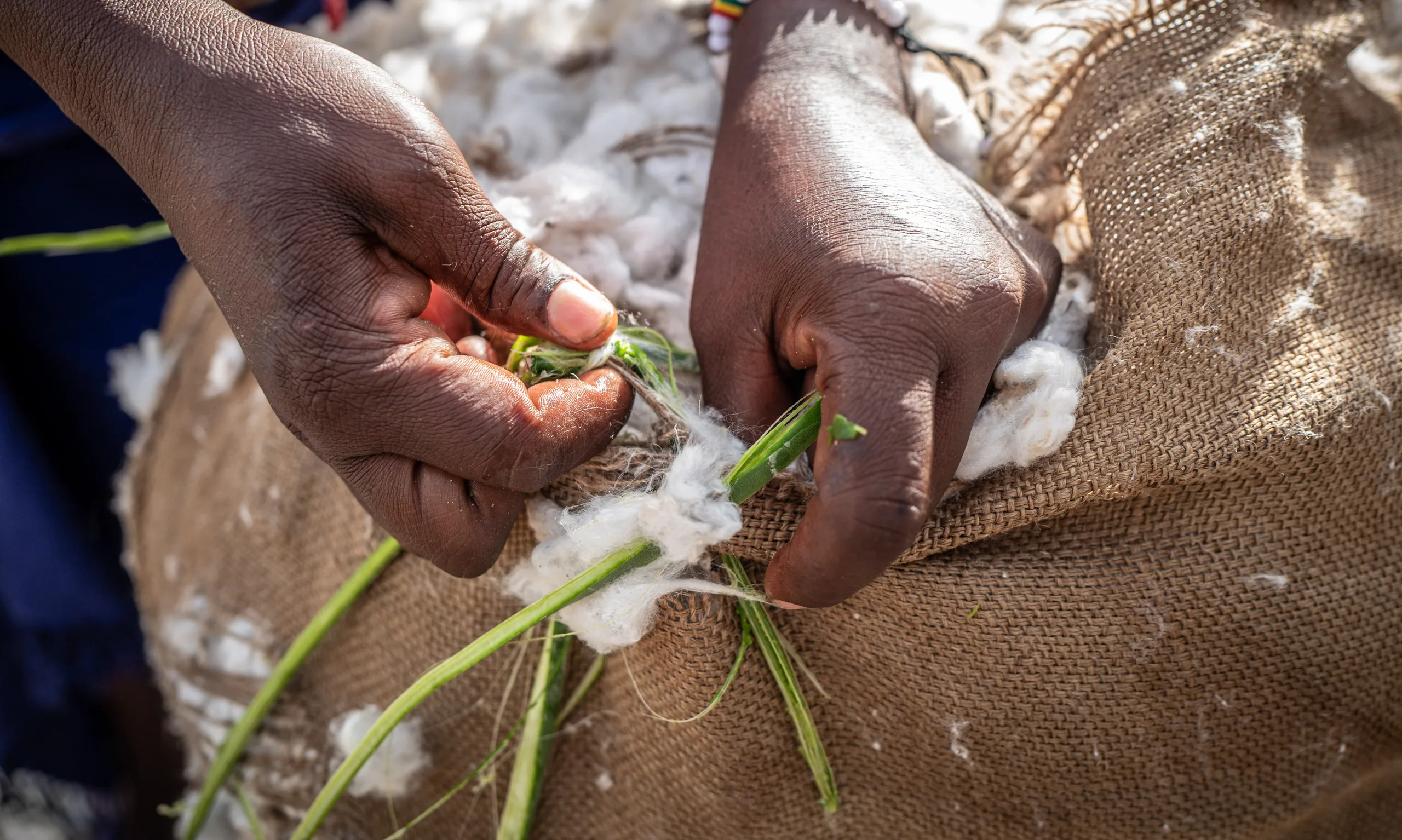
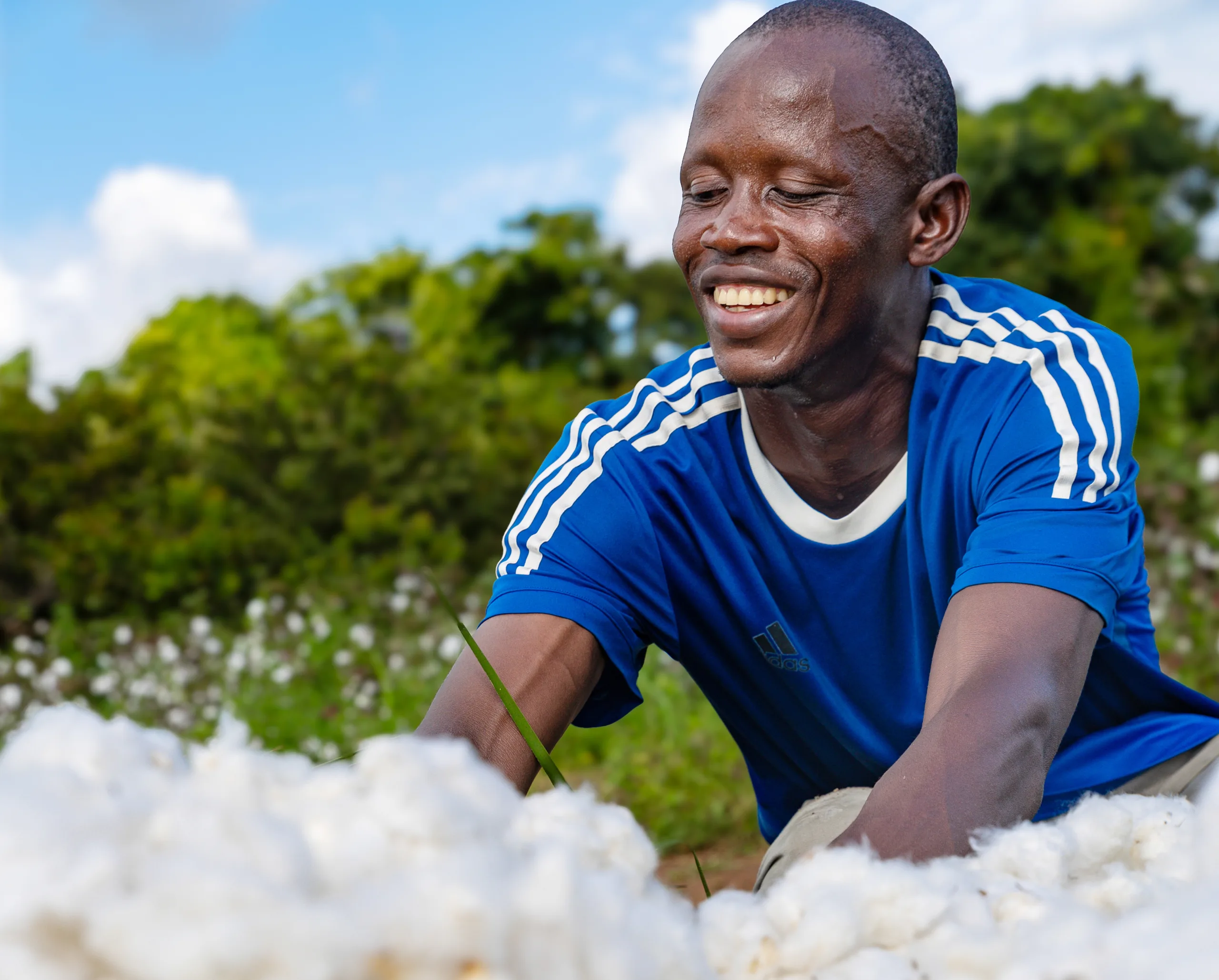
Hands sorting raw cotton on a jute sack

Every fibre has a face

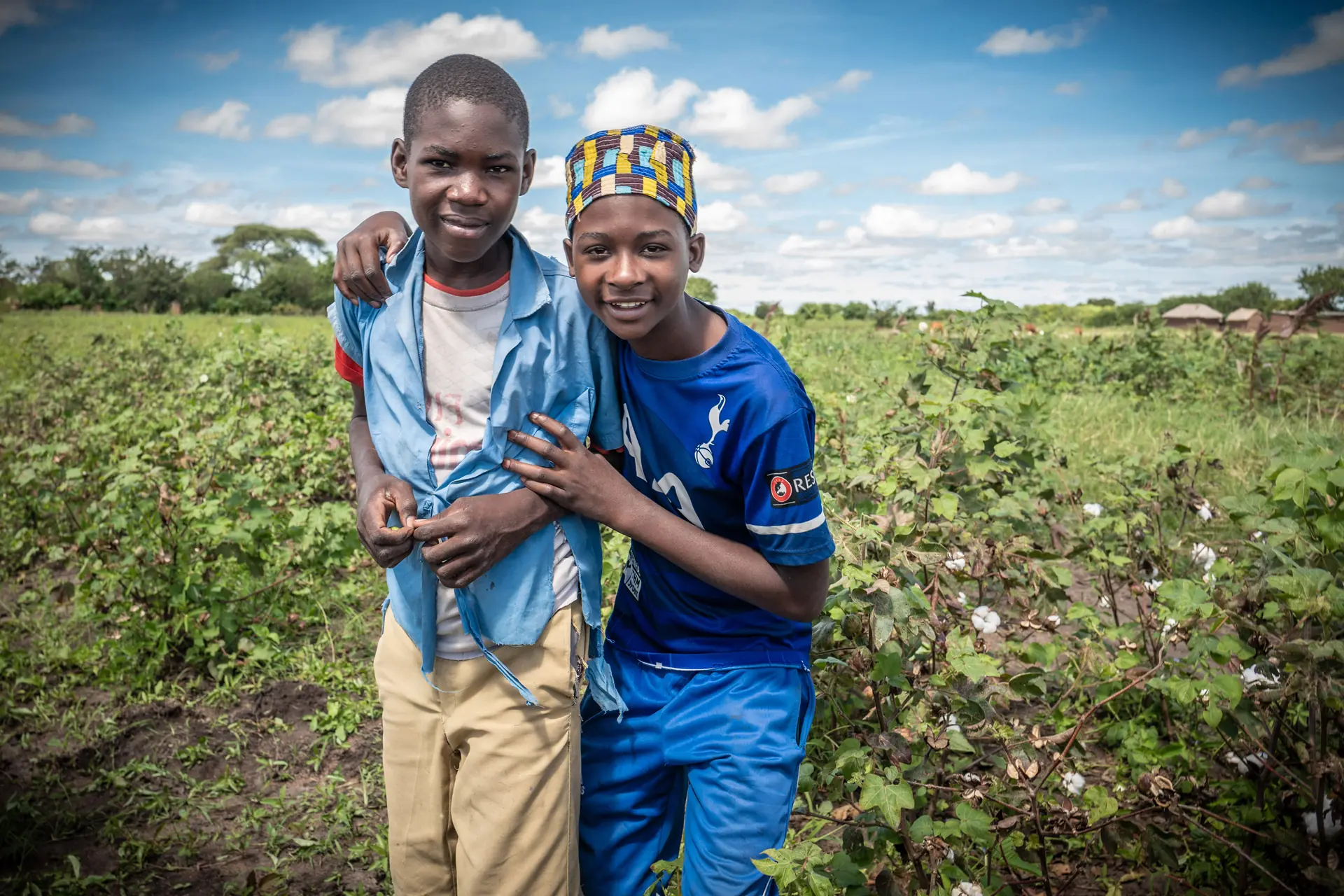
Behind every bale of Cotton made in Africa (CmiA) cotton stands a farmer, a family, and a community. We connect these stories directly to your supply chain through full traceability, verified sustainability, and the world’s first standard for sustainable African cotton.

Foundation

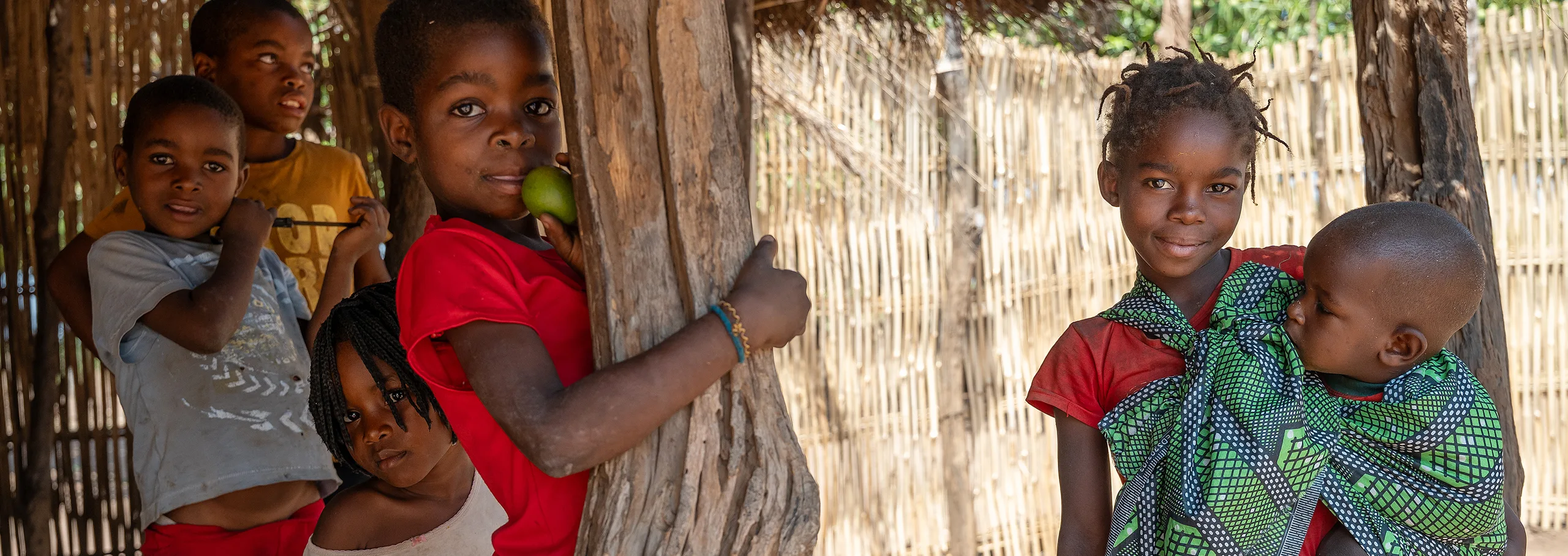
  • Children standing by a wooden fence

    People.

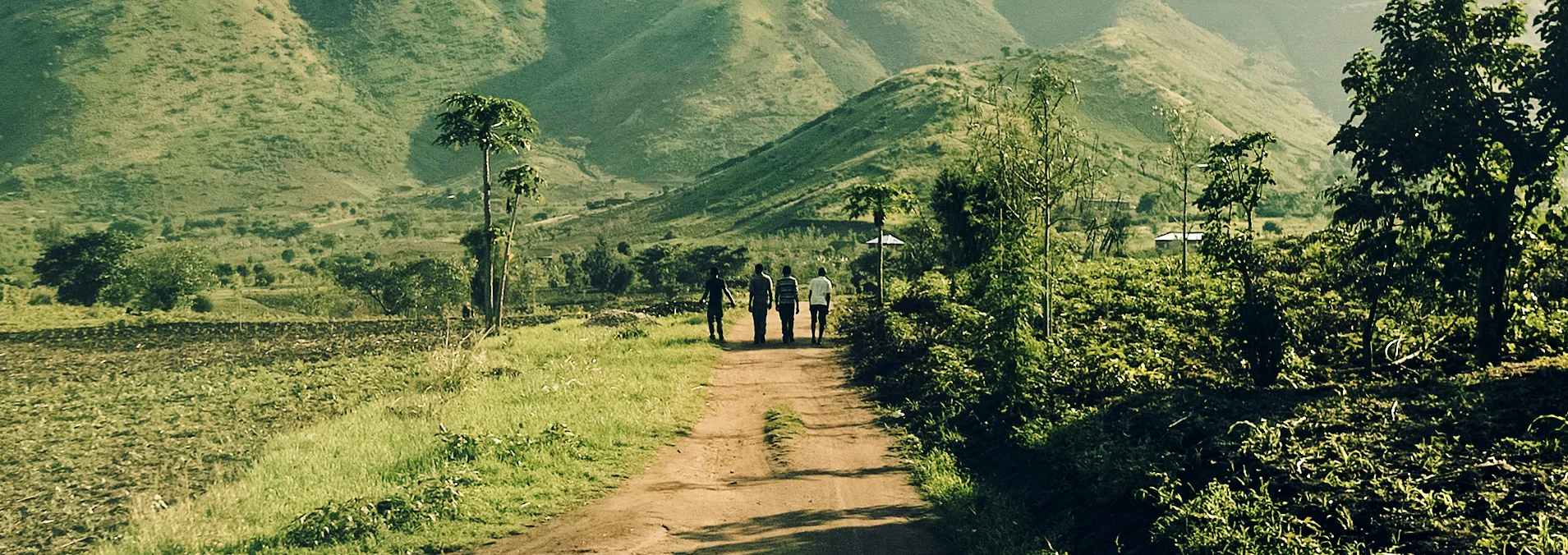
  • Green hills with a path leading through the fields

    Planet.

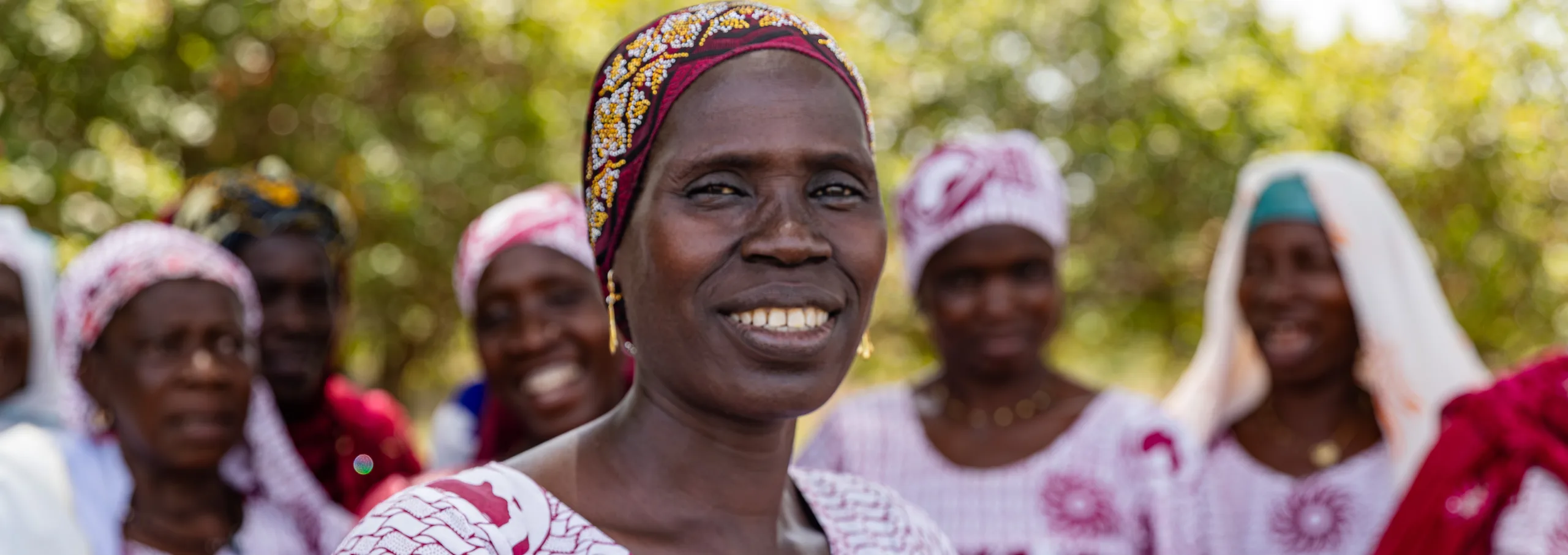
  • A smiling woman among a group of women

    Prosperity.

Guided by responsible management

Our work is built on four sustainability pillars that form the core of the Cotton made in Africa (CmiA) standard. Each bale of CmiA cotton contributes to a measurable impact across these areas. The standard focusses on cotton cultivation and ginning south of the Sahara and is tailored to local conditions and small-scale farming systems.

Read more

The CmiA standard has four pillars

The CmiA standard applies to Managing Entities — typically cotton companies with one or more ginneries linked to small-scale farmers. These entities are responsible for ensuring that all operations comply with CmiA requirements and for driving continuous improvement based on independent verification. The CmiA standard is both performance- and practice-based. Producers must meet requirements to qualify for certification, and continuous improvement is required over time.

  • Management

    Defines responsible business practices, verification processes, and commitment to CmiA principles.

  • People

    Focusses on small-scale farmers, fair working conditions, and the empowerment of women and children.

  • Planet

    Represents CmiA’s commitment to protecting soil, water, biodiversity, the climate, and the environment, including by banning the use of genetically modified organisms and reducing the negative effects of crop protection.

  • Prosperity

    Supports farmers in building business skills, improving productivity, and strengthening long-term livelihoods.

More than a standard. A system for change.

Empowering farmers, women, and communities

CmiA supports small-scale farmers across nine African countries, working to promote gender equality, dignified labour conditions in cotton ginneries, and respect for the rights of children. Nearly 715,000 farming families benefit from training, market access, and improved working conditions. Women’s empowerment programmes are active in every CmiA region — not as a side initiative but as a core pillar of the standard.

Protecting soil, water, climate, and biodiversity

CmiA is committed to protecting soil, water, biodiversity, the climate, and the environment — including by banning genetically modified organisms and reducing the negative effects of crop protection. CmiA cotton is 100 percent rainfed with zero groundwater extraction. The result: over 2,100 litres of water saved per kilogram and up to 13 percent fewer greenhouse gas emissions compared to conventional cotton (figures are taken from the 2021 CmiA LCA).

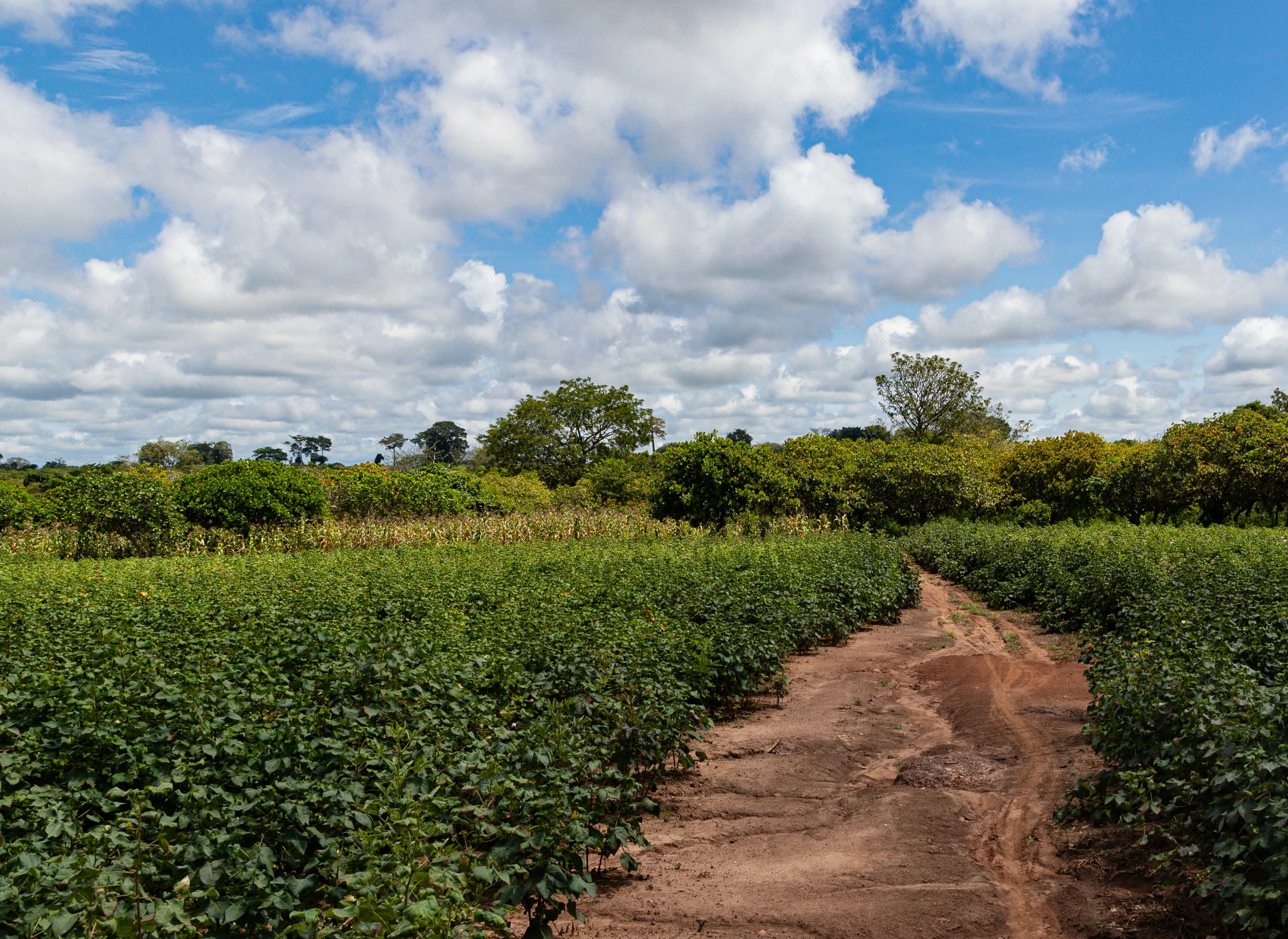
A path running through a cotton field

Empowerment through trade, not dependency

CmiA facilitates access to high-quality inputs and actively promotes productivity, fibre quality, and better overall living conditions. Through training and direct market access, farmers are empowered to maintain stable yields and incomes in the face of challenges.

A man harvesting cotton by hand

The CmiA cotton supply chain, step by step

Transforming cotton to textiles

  • 1. Farming

    Approximately 715,000 small-scale farmers across nine countries grow CmiA cotton without GMOs, using only rainwater.

  • 2. Ginning

    CmiA cotton moves through verified ginneries only.

  • 3. Spinning

    Mills across fifty-four countries receive verified CmiA bales and maintain chain of custody requirements.

  • 4. Manufacturing & processing

    Manufacturers, processors, and trading companies transform, treat, or distribute CmiA yarns and textiles, enabling the integration of sustainable cotton into global textile and apparel supply chains.

  • 5. Retail

    The CmiA label on your garment stands for verified impact — supporting farmers and sustainable cotton cultivation in Africa.

A lemon ripening on the branch
  • Standard

    Third-party verified cotton, no GMOs, 100% rainfed


    Cotton made in Africa is grown by small-scale farmers across Africa South of the Sahara who use crop rotation with food crops such as maize, soy, or groundnuts, supporting soil health, pest management, and food security. Cultivation relies entirely on rain-fed farming rather than irrigation; pesticide use is strictly regulated, with hazardous substances being banned; and genetically modified seeds are excluded altogether under the CmiA standard. Compliance is verified by a clearly defined assurance system involving independent third parties. Verification is carried out by AfriCert and Ecocert, who are ISO-17065 accredited.

    Explore our Impact

    01Verified materials

  • TRACEABILITY

    Tracked and audited from farm to finished garment


    The Segregation chain of custody model ensures the full transparency and traceability of CmiA-verified cotton — from the cotton producer through every stage of processing to the finished product. Products bearing the “CmiA Inside” label demonstrate that the requirements of this chain of custody model and of the Aid by Trade Foundation’s Cotton Transparency Standard have been correctly implemented throughout the supply chain.

    Explore traceability

    02Transparent Supply Chain

  • Four steps to sustainable sourcing


    Map your supply chain and identify relevant partners, sign a licensing agreement with ATAKORA, get onboarded in the tracking system to source verified CmiA cotton, and communicate your impact to your stakeholders. We guide you through each stage!

    Explore
  • Storytelling, portraits, and more


    Farmers’ portraits, impact data, and digital assets — everything you need to share your CmiA engagement with your customers through every channel.

    Explore
Questions

Find answers about CmiA, how it works, and how to join.

CmiA is the largest standard for sustainable African cotton. It verifies cotton from small-scale farmers in nine countries, tracking it through the supply chain with different levels of traceability. All cotton is GMO-free and 100 percent rainfed.

Cotton made in Africa works at the field and ginnery levels with smallholders and cotton companies to improve livelihoods and promote more sustainable cotton production. This close connection to the field enables brands to communicate credible farmers’ stories backed by measurable impact data. In addition to the traceable cotton, our Mass Balance model makes it easy to integrate CmiA into existing supply chains, enabling scalable sourcing programmes.

Our primary focus is on brands and retailers who want to achieve their sustainability targets or transform their sourcing strategy to incorporate more responsible materials.

Manufacturers, spinning mills, ginneries, and traders can all partner with CmiA and offer the verified materials to their customers. We have onboarding paths for sourcing teams as well as legal, sustainability, and marketing departments. If you source cotton or communicate its impact, there’s a path for you.

For brands and retailers, our licensing model is designed to keep things simple. A single, volume-based fee covers access to verified CmiA cotton, traceability, communication rights, and authentic impact storytelling. No additional membership, certification, or partnership fees are required.

For supply chain partners, costs depend on your role. No matter if you are a textile producer, fabric producer, spinning mill, or cotton trader, we offer different ways for supply chain organisations to become a CmiA partner. The annual membership fee differs, depending on your role in the supply chain and which chain of custody model is implemented.

Role in the supply chainAnnual fee for CmiA Traceable (incl. Mass Balance)Annual fee for CmiA Mass Balance only
Spinning mill (buying cotton, producing yarns)EUR 3,500EUR 2,000
Yarn trader or yarn dye house (buying yarns, selling yarns)EUR 1,000EUR 1,000
Fabric producer (buying yarns, producing fabrics)EUR 1,000EUR 1,000
Fabric trader or fabric dye house (buying fabrics, selling fabrics)EUR 500EUR 500
Textile producer (buying yarns or fabrics, producing garments)EUR 1,000EUR 0
Textile trader (buying garments, selling garments)EUR 0EUR 0
Comber producer or comber traderEUR 1,000EUR 1,000

CmiA cotton is grown by approximately 715,000 small-scale farmers in several African countries, including Benin, Burkina Faso, Cameroon, Chad, Côte d’Ivoire, Mozambique, Tanzania, Uganda, and Zambia. All farming is rainfed and GMO-free.

More than 90 percent of African cotton is already exported, primarily to Asia, where it is spun, woven, and manufactured into textile products. This means you can source Cotton made in Africa cotton through an established network of mills and manufacturers across all major production countries — without fundamentally changing your existing supply chain. Simply ask your sourcing partners to procure CmiA-verified cotton from one of our registered suppliers.

Yes. Cotton made in Africa combines the impact of smallholder farming with the scale required by global brands and retailers. In 2025, over 500,000 metric tonnes of CmiA-verified cotton were available — enough to support even the largest sourcing programmes. Through our established network of cotton companies and supply chain partners, CmiA cotton is available at scale throughout the global textile industry.

CmiA farmers receive practical training covering a wide range of topics, including good agricultural practices, integrated pest management, soil fertility, cotton quality, child protection, gender equality, the production and implementation of biological pesticides, the safe handling of crop protection products, and regenerative and climate-positive agriculture.

Training is delivered by qualified extension staff employed by the Managing Entities and is adapted to local conditions and farmers’ needs. This practical knowledge helps farmers improve productivity while promoting more sustainable farming practices.

The CmiA Standard contains strict requirements regarding child protection and detailed requirements to minimise the adverse effects of crop protection practices. Managing Entities must train farmers on these topics, monitor compliance, and implement preventive measures. Highly hazardous pesticides are prohibited, organic pesticides supplement or replace conventional inputs, genetically modified cotton seed is not permitted, and child labour as defined by the ILO is strictly forbidden. Compliance is independently checked through regular verifications.

As a non-profit, the Aid by Trade Foundation reinvests licensing income into the implementation and continuous development of its standards. This includes independent verification, farmer training, support for cotton companies (Managing Entities), projects under the CmiA Community Cooperation Programme (CCCP), its monitoring, evaluation and learning (MEL), supply chain management, traceability systems, and the development of new projects and standards. By sourcing CmiA cotton, partners directly contribute to creating a measurable impact for farming communities.

Yes. Cotton made in Africa can complement other sustainability standards and sourcing programmes. Depending on the product requirements and sourcing model, CmiA can be combined with various standards, enabling brands to meet multiple sustainability objectives within a single sourcing strategy. Our team is happy to advise on the best solution for your programme.

Children at their desks in a classroom

CmiA Community Cooperation Programme

Together with our partners, we strengthen cotton-growing communities and promote sustainable development that goes beyond cotton cultivation.

Meet the people behind CmiA

  • Tina Stridde

    Tina Stridde

    CEO

  • Jessica Strachanowski

    Jessica Strachanowski

    Assistant to the Managing Director

  • Sabine Kleinewiese

    Sabine Kleinewiese

    Finance & Controlling, Management Board ATAKORA

  • Sonja Taviani

    Sonja Taviani

    Finance & Controlling

  • Alexandra Perschau

    Alexandra Perschau

    Standards & Outreach

  • Elena Wahrenberg

    Elena Wahrenberg

    Standards & Outreach

  • Haissata Kaba

    Haissata Kaba

    Standards & Outreach

  • Marvin Heuduck

    Marvin Heuduck

    Standards & Outreach

  • Cheng Fan

    Cheng Fan

    Standards & Outreach

  • Johanna Kälbert

    Johanna Kälbert

    Standards & Outreach

  • Carlotta Plantör

    Carlotta Plantör

    Standards & Outreach

  • Ruth Achterwinter

    Ruth Achterwinter

    Standards & Outreach

  • Ben Sekamatte

    Ben Sekamatte

    Standards & Outreach

  • Younoussa Imorou Ali

    Younoussa Imorou Ali

    Standards & Outreach

  • Figo Li

    Figo Li

    Standards & Outreach

  • Valéa Vadaleau

    Valéa Vadaleau

    Business Development

  • Gerlind Bäz

    Gerlind Bäz

    Business Development

  • Nick Materzok

    Nick Materzok

    Business Development

  • Anas Azim

    Anas Azim

    Business Development

  • Alexander Troffmann

    Alexander Troffmann

    Business Development

  • Sarah Lux

    Sarah Lux

    Business Development

  • Isabelle Großkopf

    Isabelle Großkopf

    Business Development

  • Christina Ben Bella

    Christina Ben Bella

    Marketing & Communication

  • Holger Diedrich

    Holger Diedrich

    Communication

Voices

What Partners Say


Hear from brands, mills, cotton companies, and manufacturers already sourcing CmiA cotton.

  • “The future of cotton will not be decided in boardrooms or conference panels — it will be decided on farms. CmiA and RCS connect the realities of cotton producers with the expectations of global markets, creating value where it matters most.”
    Maximilian Daebel – Vice President, Otto Stadtlander GmbH
  • “As a strategic partner of the Aid by Trade Foundation and a buyer of CmiA cotton from the cotton companies, a key aspect of our role is to act as a long-term and reliable partner in order to ensure stability for producers.”
    Marco Bänninger – Head Trader Hand Picked Cotton, Paul Reinhart AG
  • “Meeting the people who grow our cotton, forming personal connections with them, and seeing with my own eyes what this collaboration means for the farmers and their communities is definitely something I remember with pride.”
    Jonas Meier Sørensen – Buying Manager for Denim, ONLY
  • “Sourcing CmiA cotton has helped us strengthen the sustainability and traceability of our supply chain while expanding our access to customers with diverse sustainability requirements. We value our partnership with CmiA and its commitment to creating a positive social and environmental impact across the cotton industry.”
    Ms Gemmy Nguyen – Supply Chain Compliance Manager, PHU GIA SPINNING J.S.C.
Children at their desks in a classroom

Ready to make responsible sourcing your standard?

Join 2,800+ partners across 50 markets. Let's start a conversation.

Get in touch
Stay informed about CmiAStay informed about CmiAStay informed about CmiAStay informed about CmiAStay informed about CmiAStay informed about CmiA
An open cotton boll on the plant

Explore all Aid by Trade Foundation standards

Explore AbTF
  • Cotton made in Africa
  • The Good Cashmere Standard
  • Regenerative Cotton Standard