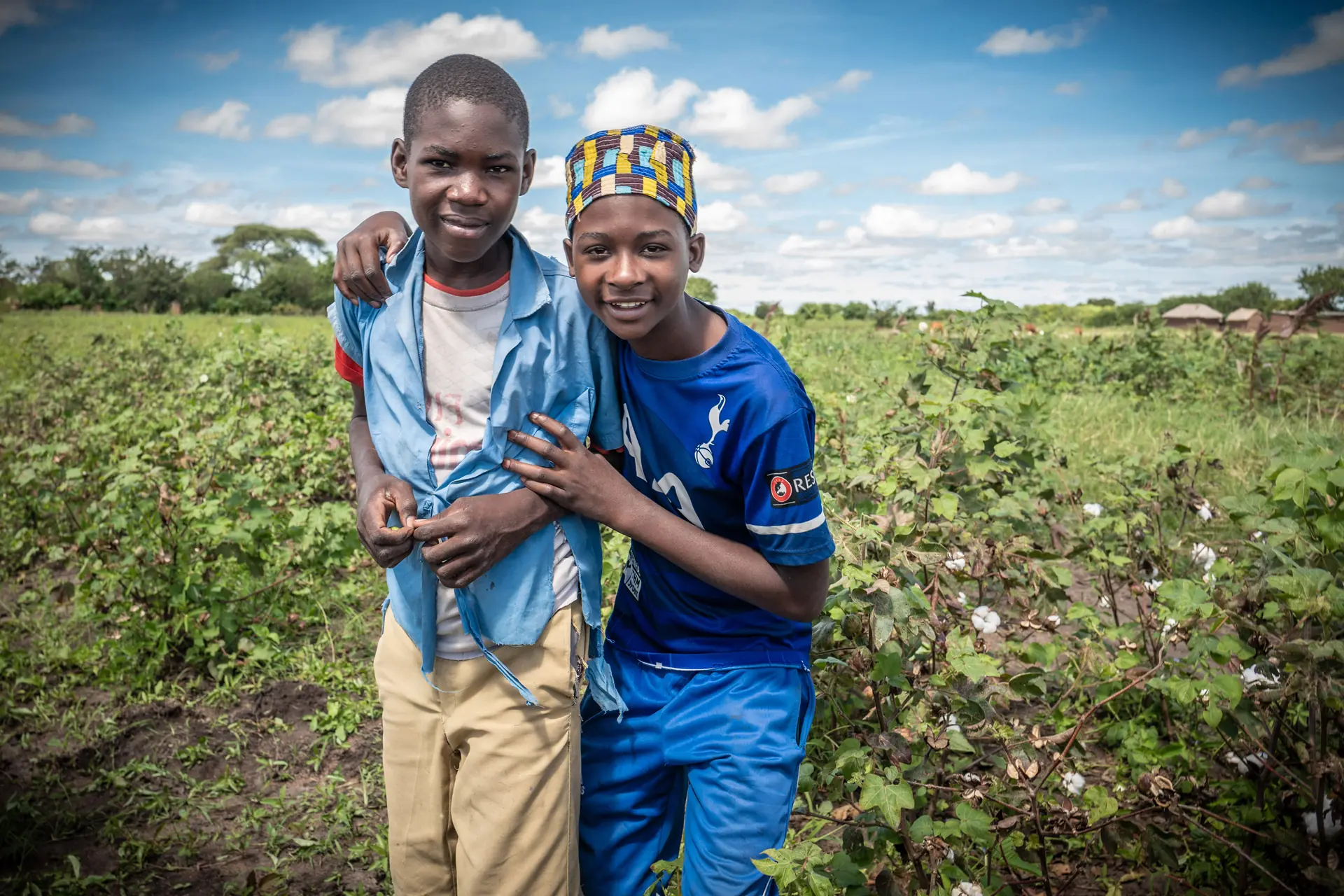

Become a CmiA licensing partner
Achieving your sustainability goals requires more than just sourcing verified cotton. Whether you’re looking to strengthen supply chain transparency, deliver a credible impact, or respond to growing stakeholder expectations, Cotton made in Africa provides a practical, scalable solution. With straightforward implementation and dedicated support, we make responsible cotton sourcing easy to integrate into existing sourcing programmes. Over 60 brands and 200 spinning mills trust our system because we work in close partnership with all stakeholders involved.
I source for a brand or retailer
Go to Brand RetailerMills
200+ mills, 50 markets, one network
Whether you’re in Bangladesh, Türkiye, China, or East Africa, receive hands-on support tailored to your setup.
Register
Brands
Sustainable cotton works for your business
Most standards give you a certificate. CmiA gives you a system — from verified fibre to ready-made brand stories.
Reliable supply chain
With 2,800+ partners across 50 markets, we connect your supply chain and match you with CmiA-registered spinning mills — no guesswork involved.
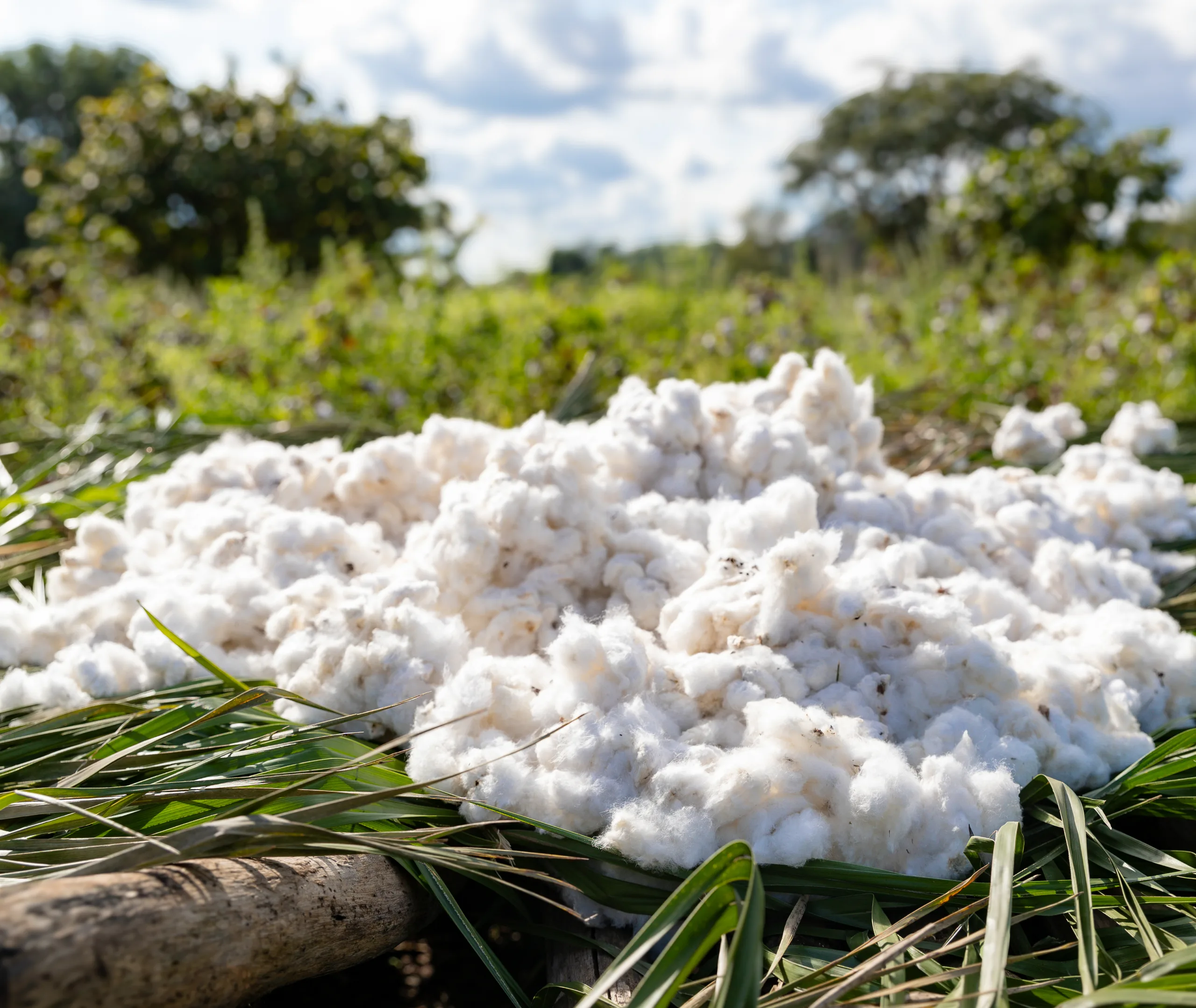
Auditable data
LCA-verified: 2,100 L of water saved per kilogram and 13 percent fewer CO₂ emissions compared to conventional cotton (figures are taken from the 2021 LCA).
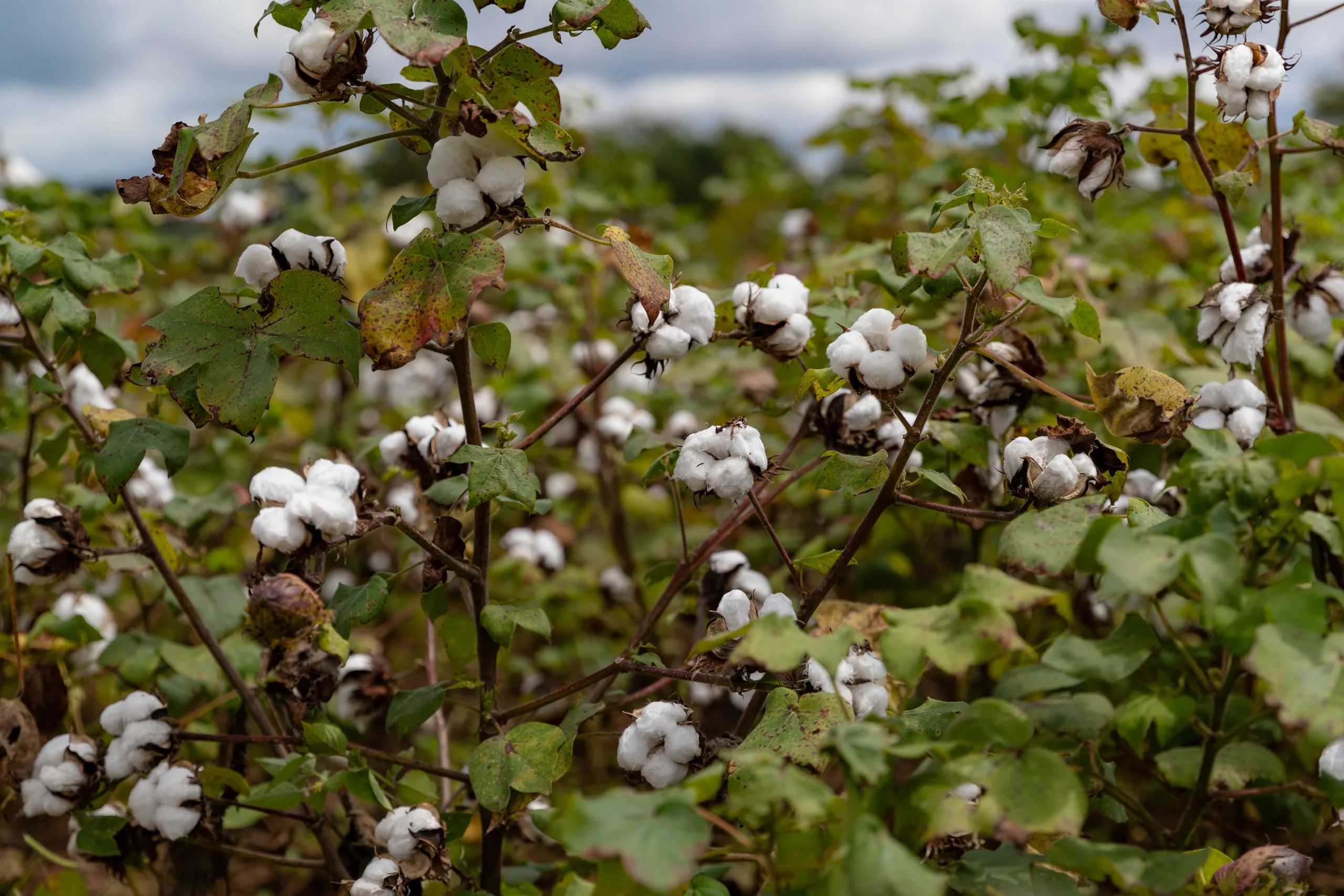
Compliance certainty
Both chain of custody models — Segregation and Mass Balance — are independently audited, and our claims framework defines exactly what you can say.
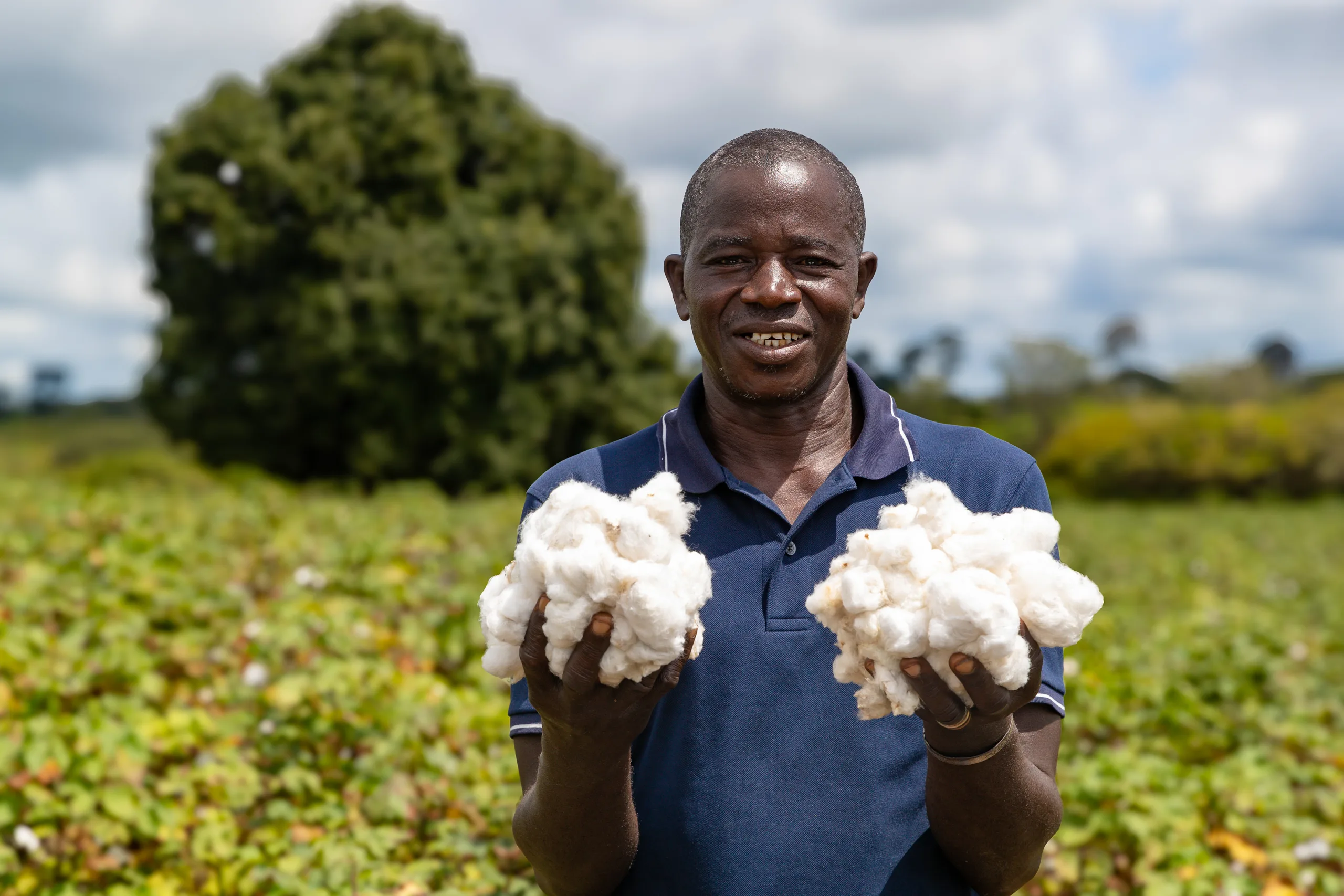
Real stories
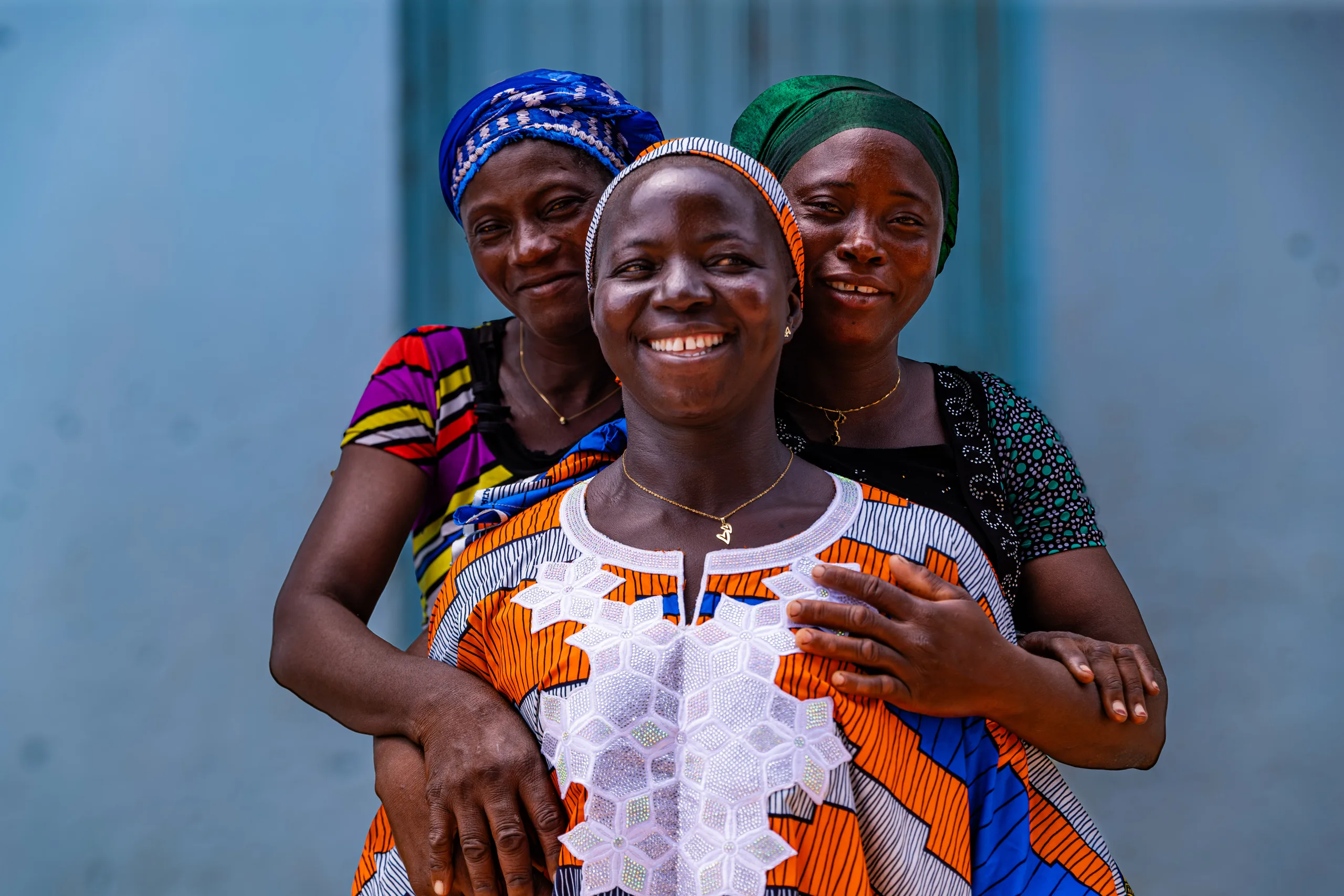
Farmers’ portraits, campaign kits, pictures, and videos — your customers want to know whose hands grew their cotton, and we deliver the answer.
Process
Your path to partnership in four steps
Getting started is simple. Most partners go live in four to eight weeks, supported by our team every step along the way.

Map your supply chain
Analyse your sourcing structure and connect with registered partners in our network. We help you identify where CmiA cotton fits into your existing supply chain — without disrupting your current sourcing setup. Our partner network includes registered cotton traders, spinning mills, producers, and processors throughout the value chain. We connect you with the right partners from day one.
Learn more
Sign ATAKORA agreement
Define volumes, scope, and usage rights through clear terms — no surprises. The licensing agreement defines the scope of your partnership, including sourcing volumes and communication rights. With transparent pricing based on volume and with no hidden fees, you’ll gain access to our verified CmiA cotton, tracking system, communication assets, and dedicated support team.
Learn more
Get started with SCOT
We’ll guide you through the onboarding process and enable seamless traceability. SCOT, the Sustainable Cotton Tracker, is CmiA’s digital backbone. Once onboarded, your supply chain partners log every transaction directly in the system. Purchases, sales, and volumes are recorded at each stage, from cotton trader to spinning mill to fabric and garment producer. Your compliance team gets oversight of your CmiA supply chain, and your sustainability report gets the data it needs.
Learn more
Share your impact
Communicate confidently with customers, stakeholders, and regulators. From day one, you have everything you need: verified data, ready-made storytelling assets, and a kit of pictures and videos. Whether you’re engaging customers, responding to investors, or meeting regulatory requirements, CmiA helps you communicate with confidence.
Learn more

Ecosystem
How cotton moves through the CmiA network
At the farm
Approximately 715,000 farmers have received training, are cultivating cotton in accordance with the CmiA standard, and are connected to global markets.
Through the chain
At every stage, SCOT’s digital verification offers traceability according to your needs.
To your customer
Labelled on the shelf, verified in the supply chain, and convincing at the point of sale.
They started where you are
Real partners, real results.
Everything you need to know about joining CmiA
Once the licensing agreement is signed, most partners go live in four to eight weeks. We’ll guide you through every step of the onboarding process, from onboarding your supply chain to setting up traceability in SCOT.
There is no minimum volume requirement. Whether you’re testing Cotton made in Africa through a small pilot project or rolling out a large-scale sourcing programme, our flexible licensing model allows you to start where it makes sense for your business and grow over time.
The licensing fees are based on your annual sourcing volume, with no additional membership or partnership fees. It covers access to verified CmiA cotton, communication rights, full traceability, marketing assets, and dedicated support throughout your partnership. Within the supply chain, we keep costs efficient and streamlined.
Both sourcing models create the same positive impact for smallholders. The right choice depends on your sustainability goals. CmiA Traceable provides physically traceable cotton for brands with transparency ambitions, whereas Mass Balance enables efficient implementation through existing supply chains.
No. The choice between Mass Balance and Traceable depends on your sourcing strategy, transparency requirements, and business objectives. You can adjust your approach over time or use both models for different products or collections, giving you the flexibility to meet changing customer and stakeholder expectations.
Yes, many partners begin with a single product, supplier, or market before gradually expanding their programme. A pilot project is an excellent way to familiarise yourself with the process, test supply chain integration, and build internal support before scaling up.
Yes. A licensing agreement is required to source verified Cotton made in Africa cotton, regardless of whether you communicate its source to consumers. The agreement provides access to our licensing and traceability system, ensures the integrity of the programme, and enables verified sourcing throughout the supply chain.
Absolutely. CmiA Organic is designed to complement internationally recognised organic standards, combining certified organic cotton production with Cotton made in Africa’s social and sustainability requirements. While most organic standards focus primarily on environmental criteria, CmiA Organic also promotes improved livelihoods, women’s empowerment, and responsible social practices at the ginnery level — a more holistic sustainability approach.
The cotton used in the CmiA programme originates exclusively from Africa South of the Sahara. It is grown by registered small-scale farmers who are participating in Cotton made in Africa (CmiA) by applying CmiA’s sustainability criteria for cotton production. The cotton is grown by approximately 715,000 small-scale farmers across ten African countries, including Benin, Burkina Faso, Cameroon, Chad, Côte d’Ivoire, Mozambique, Tanzania, Togo, Uganda, and Zambia.
The fibre parameters of CmiA cotton, including staple length and other quality characteristics, vary depending on origin, cotton variety, and seasonal growing conditions as the cotton is sourced from different production regions south of the Sahara. Typically, CmiA cotton falls within the medium staple range, with staple lengths generally between 27 and 31 millimetres.
See What's Possible
Find out why we are trusted by leading brands and producers worldwide.





Let's talk about your partnership
Whether you’re a global retailer or regional mill, we will match you with the right contact. Expect a response in 48 hours.