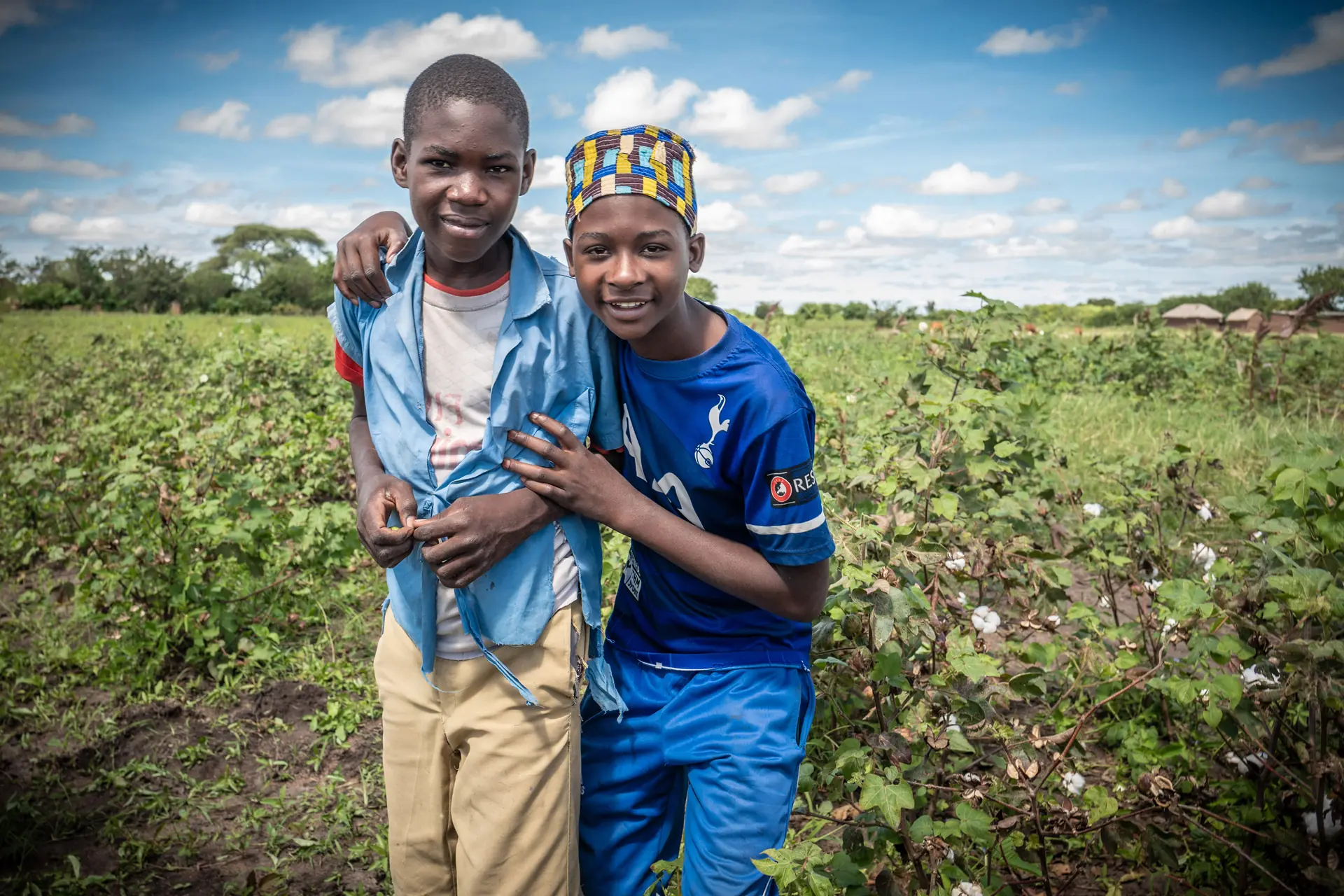
Measurable impact
Through our monitoring, evaluation, and learning mechanisms, we measure progress and validate whether our intended impact was actually achieved. We regularly collect and analyse data to monitor the effects of our work on the ground. In addition, in-depth case studies highlight key issues. These facts and figures provide an empirical foundation for the continued development of our standards, shed light on important trends, offer deeper insight into the current application of the standard, and highlight challenges that require a more targeted approach in the future. We also want to use these facts and figures to offer the public a transparent view of our work. We have created a summary of the results for you here.
Impact data changes everything
Cotton made in Africa measures what matters. Every figure you see — water, emissions, biodiversity, gender equality, working conditions, and so much more — is independently verified and third-party audited. Your investors, regulators, and stakeholders deserve evidence, not assumptions.
Environment
100% rainfed
No groundwater or surface water extracted for irrigation. That’s a direct result of CmiA’s exclusive reliance on natural rainfall.
Lower emissions
Thirteen percent lower emissions per tonne of fibre compared to the global benchmark — driven by the absence of irrigation-related energy use, reduced mineral fertiliser application, and minimal pesticide use. With the potential to sequester additional carbon, e.g. through biochar application made from cotton stalks.
Zero GMOs
CmiA requires Managing Entities to provide GMO-free cotton seeds to all contracted farmers, in line with the precautionary principle. This is true of every seed on every farm at every harvest. Confirmed through third-party verifications against the CmiA standard.
Biodiversity protected
Crop rotation is practised in all regions. Whether semi-intensive to extensively farmed, independent assessments show a lower biodiversity impact than for conventional intensive systems. No encroachment into protected areas, as required by the CmiA standard.
Social
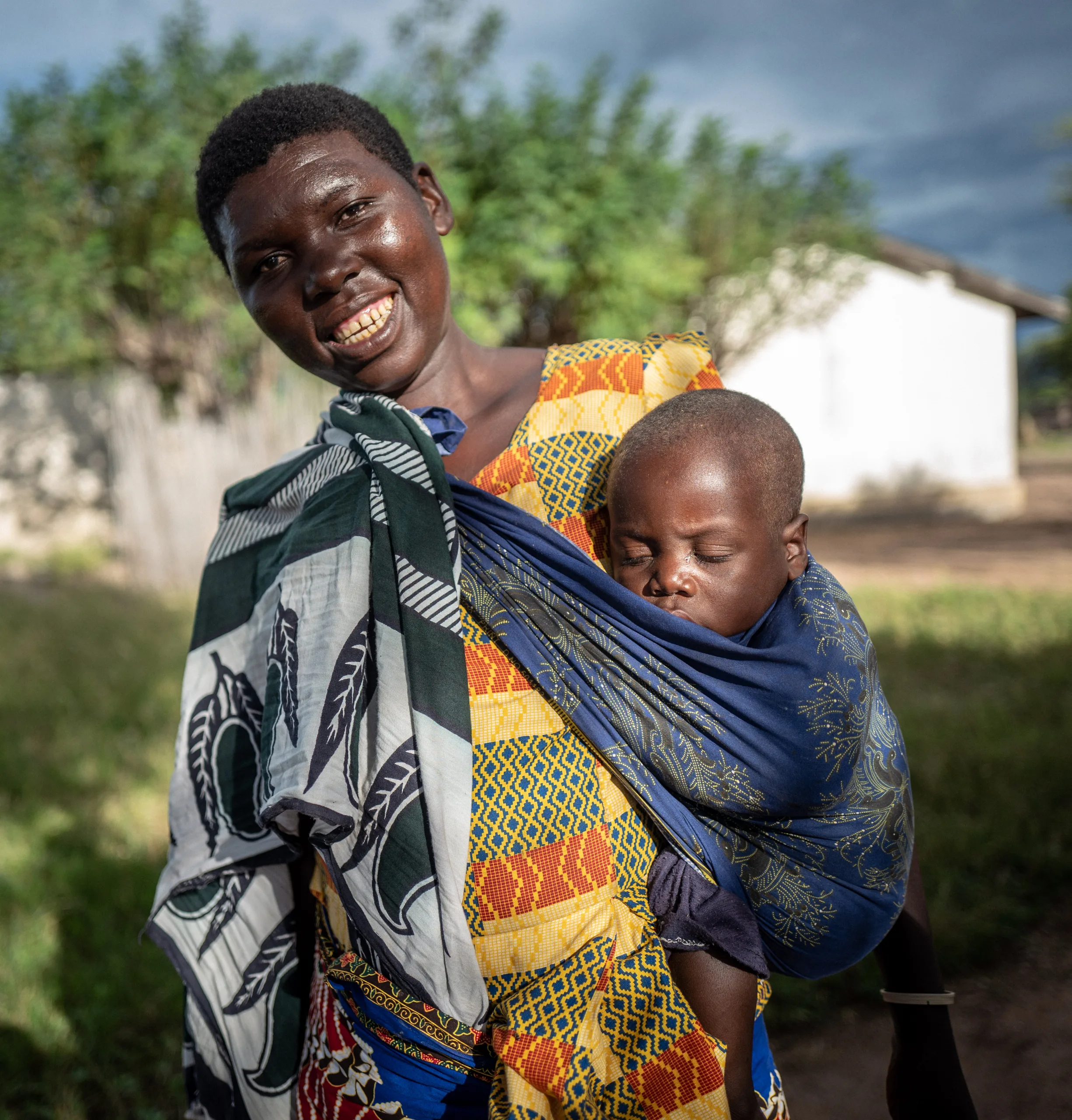
715,000 farmers
Small-scale farmers benefit from training, market access, and improved working conditions — all required under the CmiA standard and checked through independent verifications.
Women's empowerment
Gender equality is a core requirement, not an add-on, of the CmiA standard. Managing Entities are required to ensure women have equal access to resources, training, and opportunities across all farming and ginning operations.
Working conditions verified
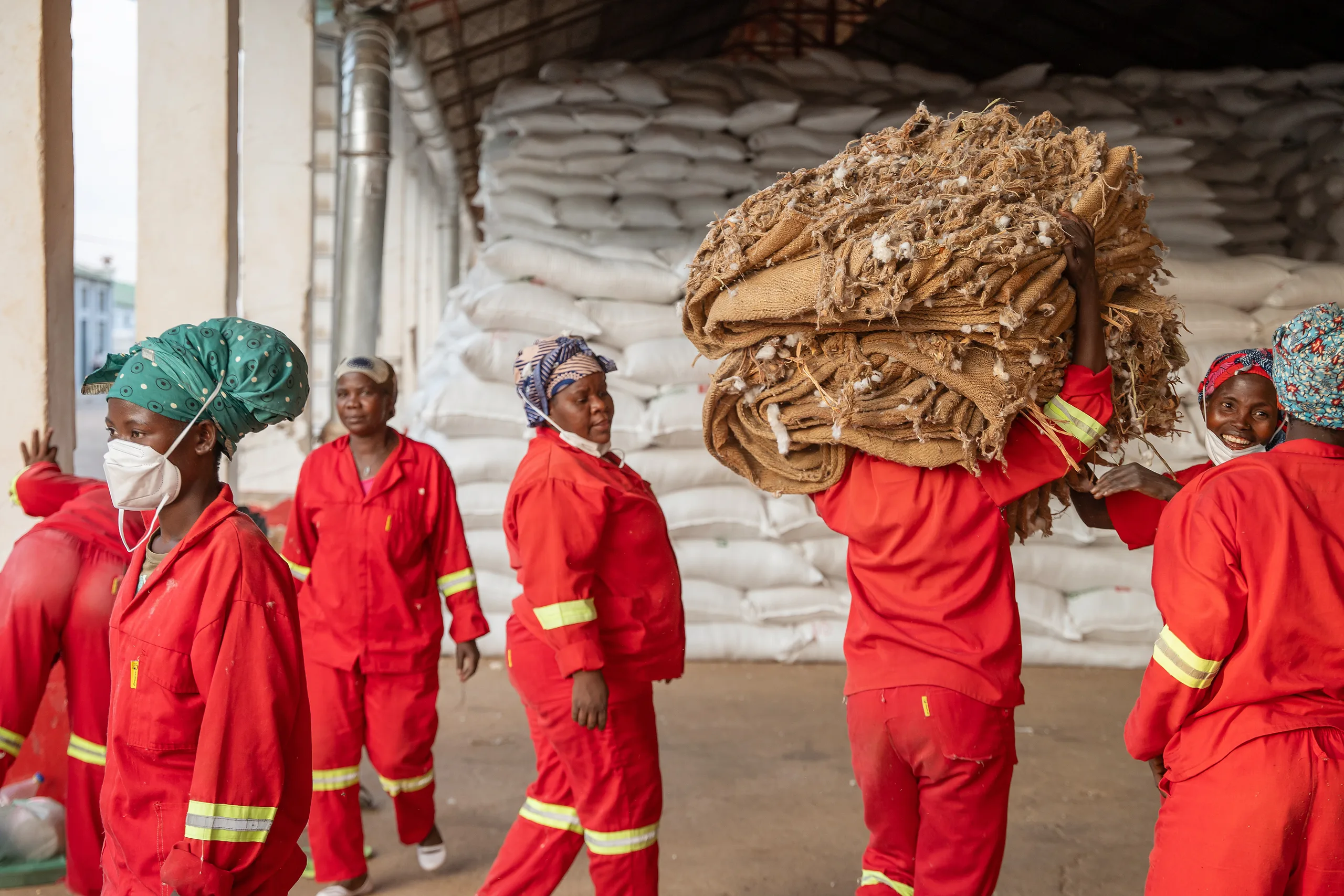
Reliable pay, safe workplaces, and social protection are required under the CmiA standard for all contracted field workers and ginnery workers. Compliance with the corresponding ILO core labour standards is verified annually through independent third parties.
Community investment
Managing Entities invest directly in the communities where farmers live and work, supporting education, health, and environmental protection.
Life Cycle Assessment
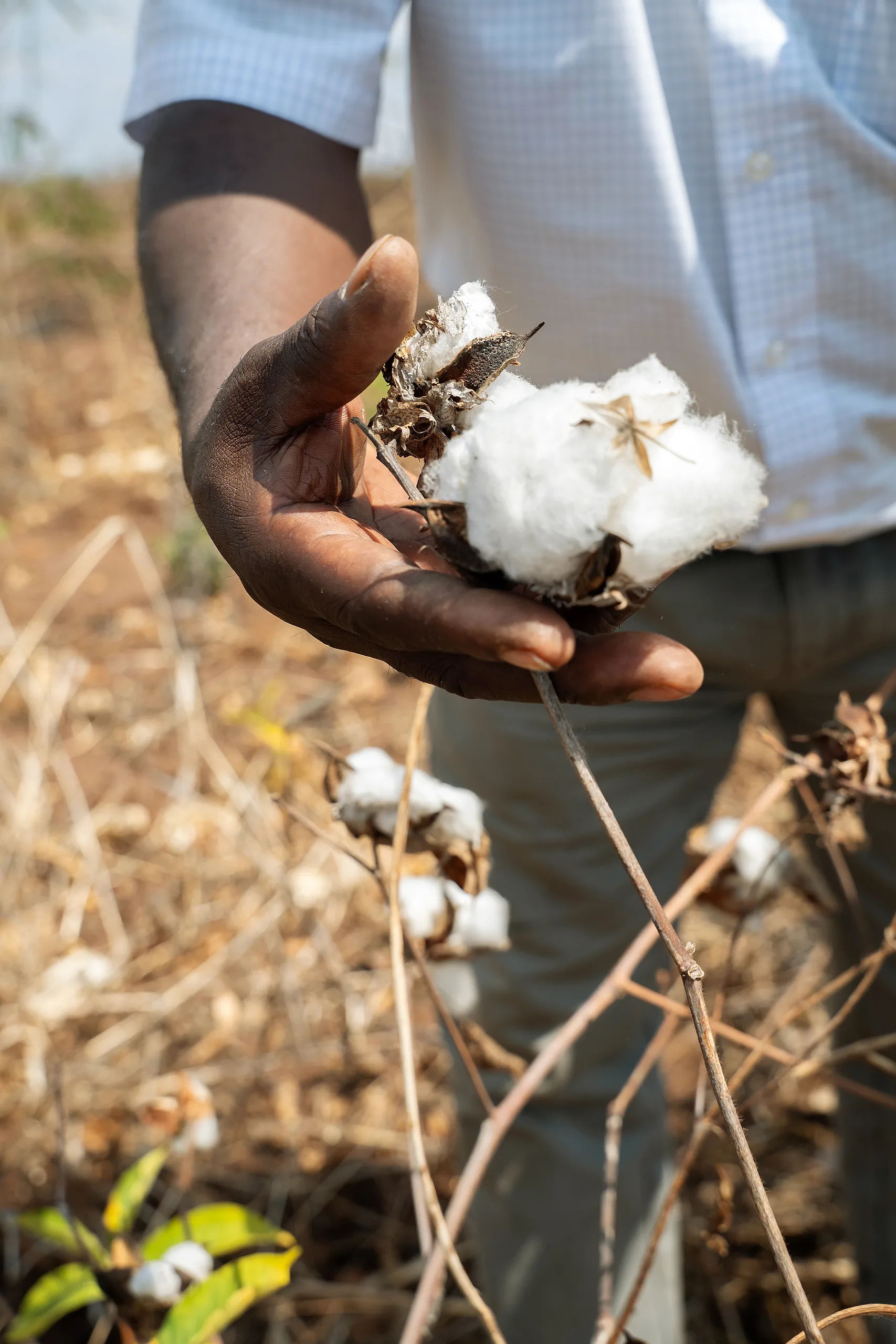
CmiA provides LCA data, for instance, on water and carbon emissions. These are figures your investor relations team can stand behind in earnings calls and sustainability reports.
Download