The faces behind your cotton
Cotton made in Africa® (CmiA), an initiative of the Aid by Trade Foundation, is a standard for African cotton produced according to social and ecological criteria. It connects small-scale farmers with trading companies and fashion brands throughout the global textile value chain. Our approach is trade-based empowerment, not dependency — supporting African small-scale farmers in building resilience in order to safeguard their yields and livelihoods. To achieve this, we work with a strong network in cotton-growing regions, including partners throughout the textile value chain as well as governmental and non-governmental organisations. Together, we ensure the implementation of the standard and the reliable processing of verified raw materials worldwide.



Learn about our foundation
A standard built on partnership, not charity
Founded in 2005 by Prof. Dr Michael Otto, the Aid by Trade Foundation follows a philanthropic mission: sustainable development through trade, not donations. Cotton made in Africa was the first initiative of the Aid by Trade Foundation and is today the second-largest sustainability standard for cotton worldwide and the leading standard for sustainable African cotton.
Go to AbTF website
Models
Two models, one impact
CmiA offers two chain of custody models. Both generate the same positive impact at the field level.

CmiA Traceable
Offers The term “Segregation” replaces the previous term “Hard Identity Preserved” (HIP) so as to align our terminology with internationally recognised chain-of-custody models under ISO 22095 as well as with the terminology common in ISEAL-aligned sustainability systems. This change serves solely to harmonise terminology; the underlying requirements regarding traceability and material separation remain unchanged. throughout the supply chain, with full physical traceability back to the CmiA cotton’s origin.

CmiA Mass Balance
Has the same field impact with greater supply chain flexibility; CmiA-verified cotton is separated up to the spinning-mill level.
Foundation
What CmiA stands for
Environment
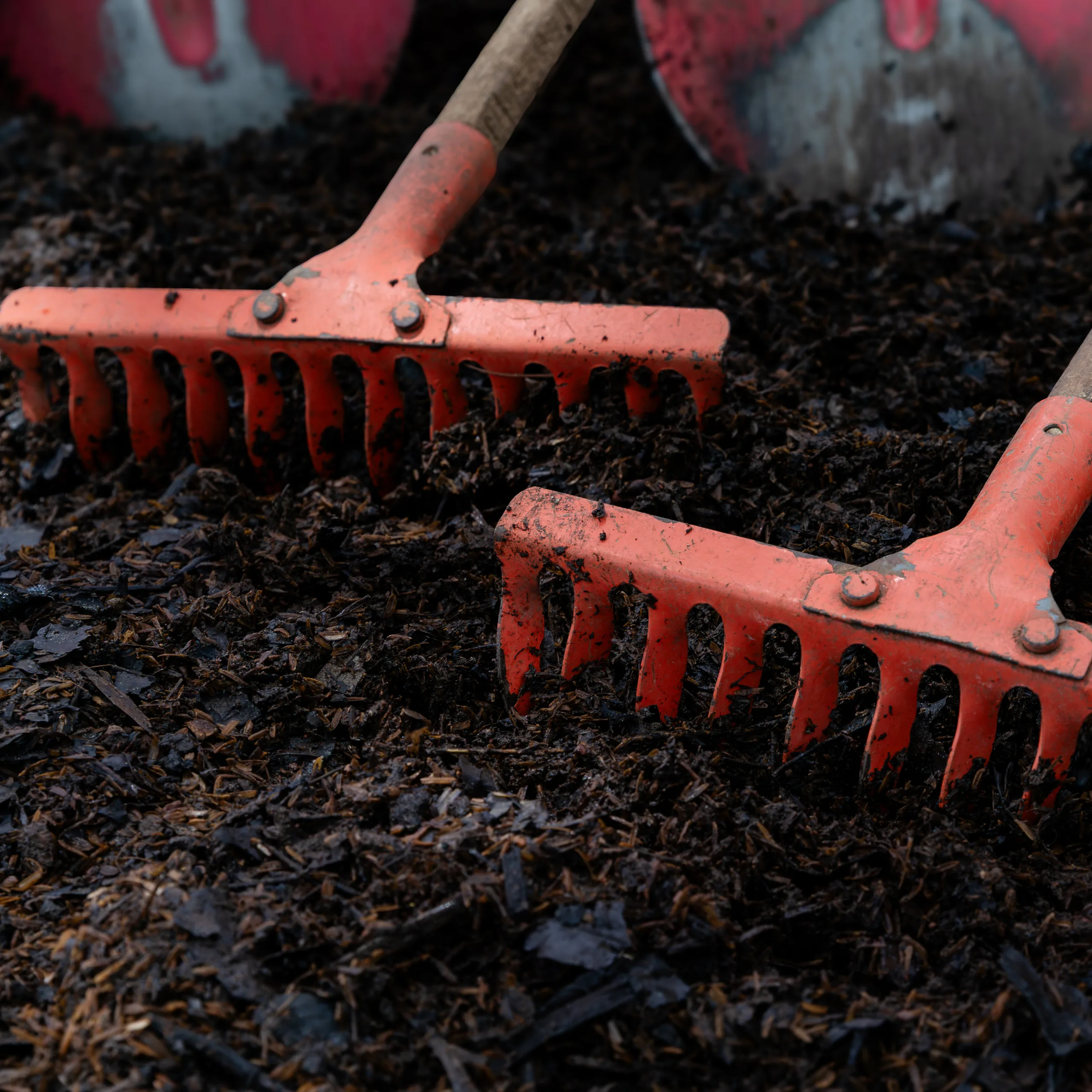
Environmental protection and soil health
One hundred percent rainfed cotton, no GMOs, and 13 percent fewer CO₂ emissions than conventional (figures are taken from the 2021 CmiA LCA). Soil health and biodiversity are protected.
Impact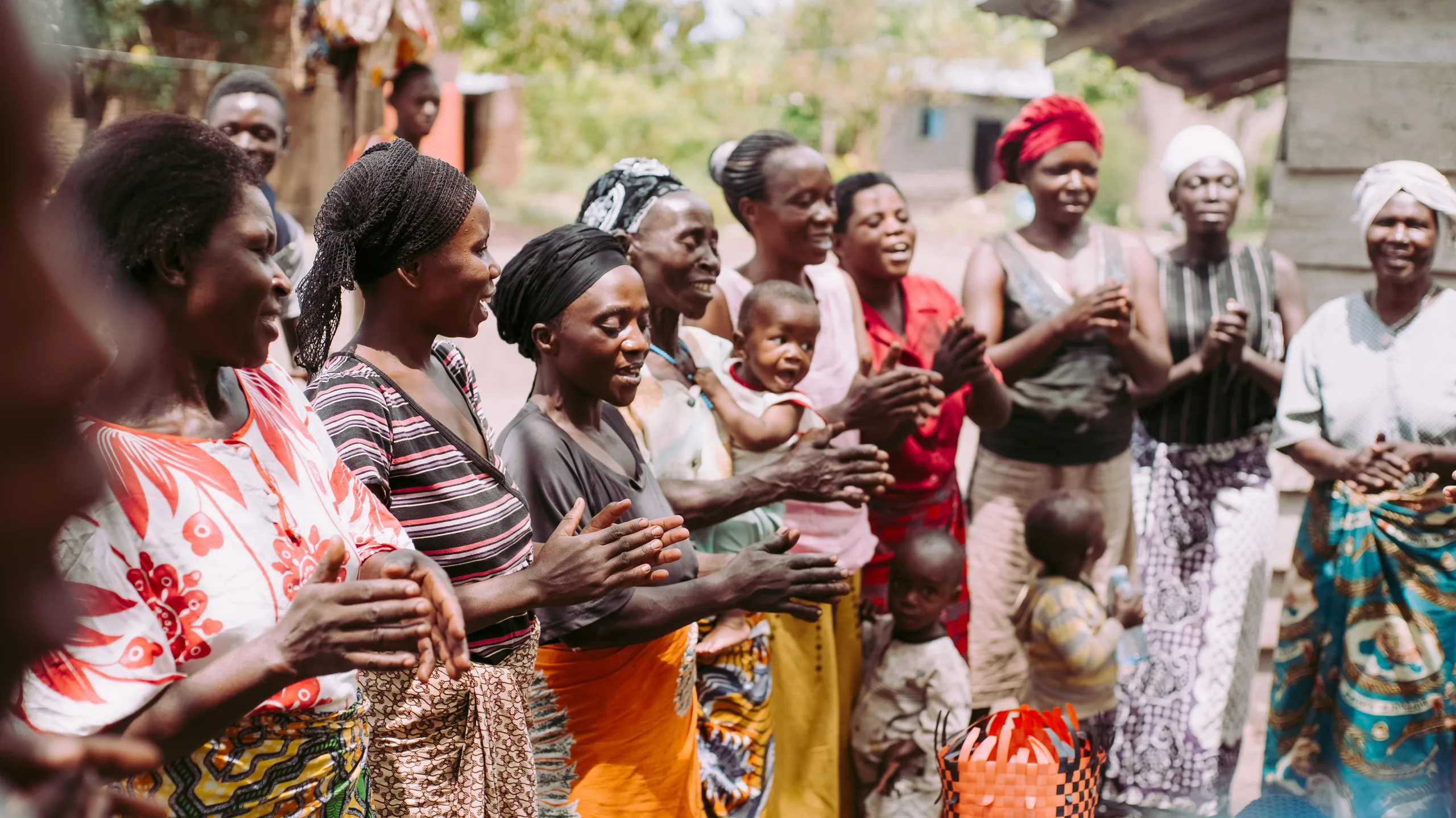
Society
Social responsibility and community
Gender equality is advanced, community investments are made, and training is provided to farmers and their families. Children’s rights are protected through the application of ILO conventions 138 and 182, which prohibit work outside the family and any form of exploitative child labour.
Read story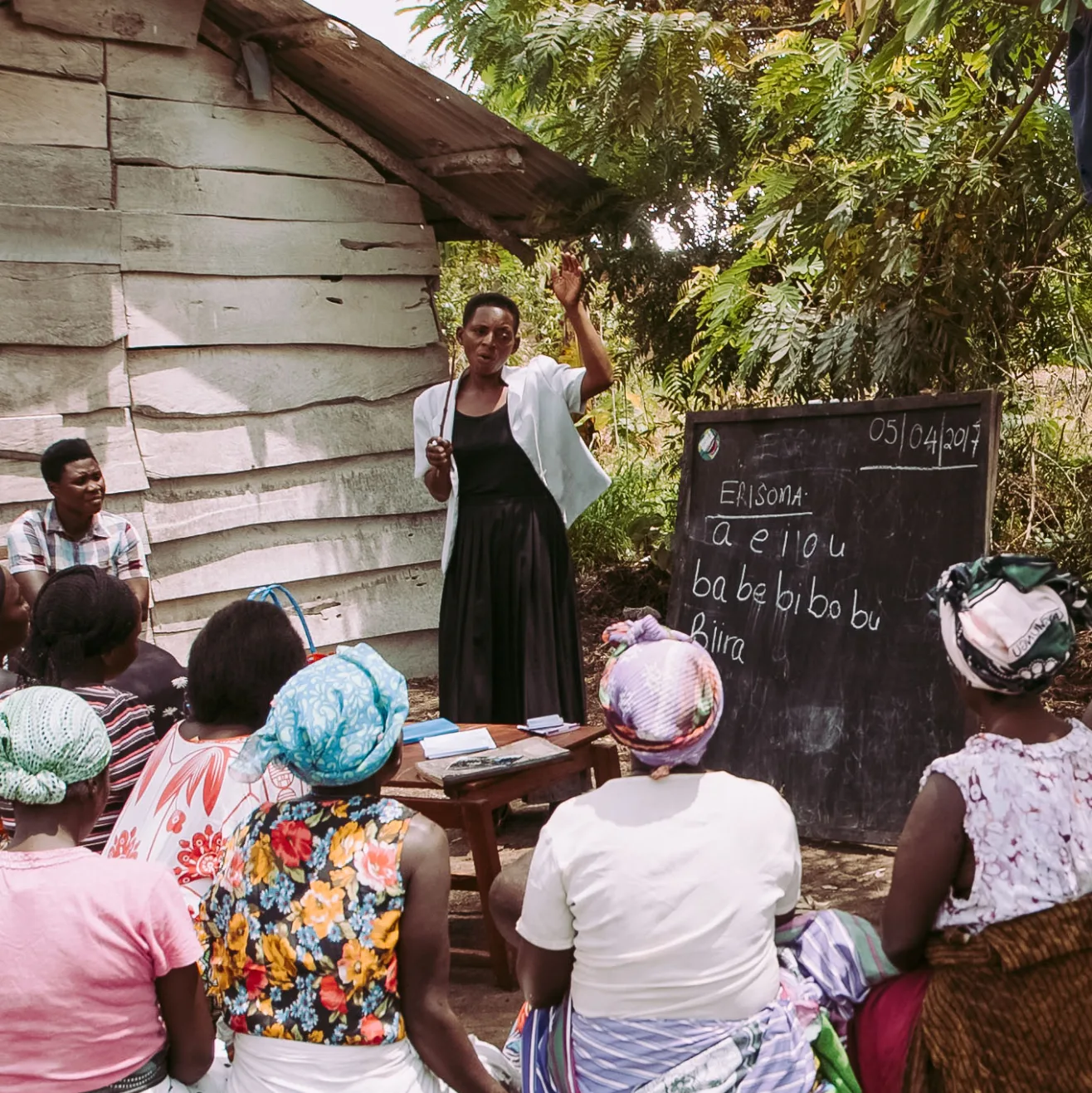
Economy
Economic impact and market access
Market access is expanded for small-scale farmers, farmers optimize their farm operations, and a value-to-business model creates sustainable income.
Read story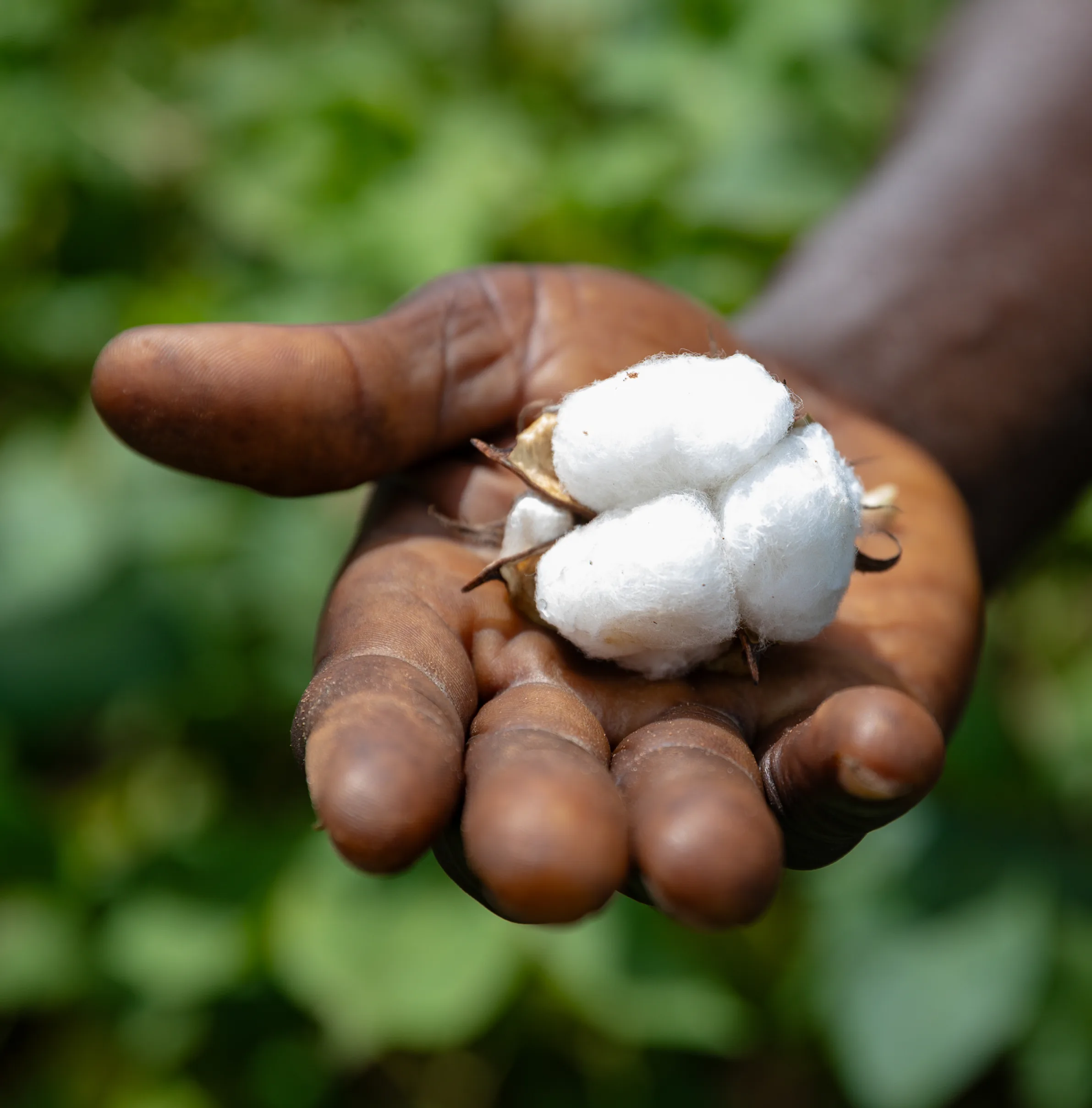
Traceability
Two levels of traceability
Two different chain of custody models: full flexibility with CmiA Traceable or the CmiA Mass Balance system.
Traceability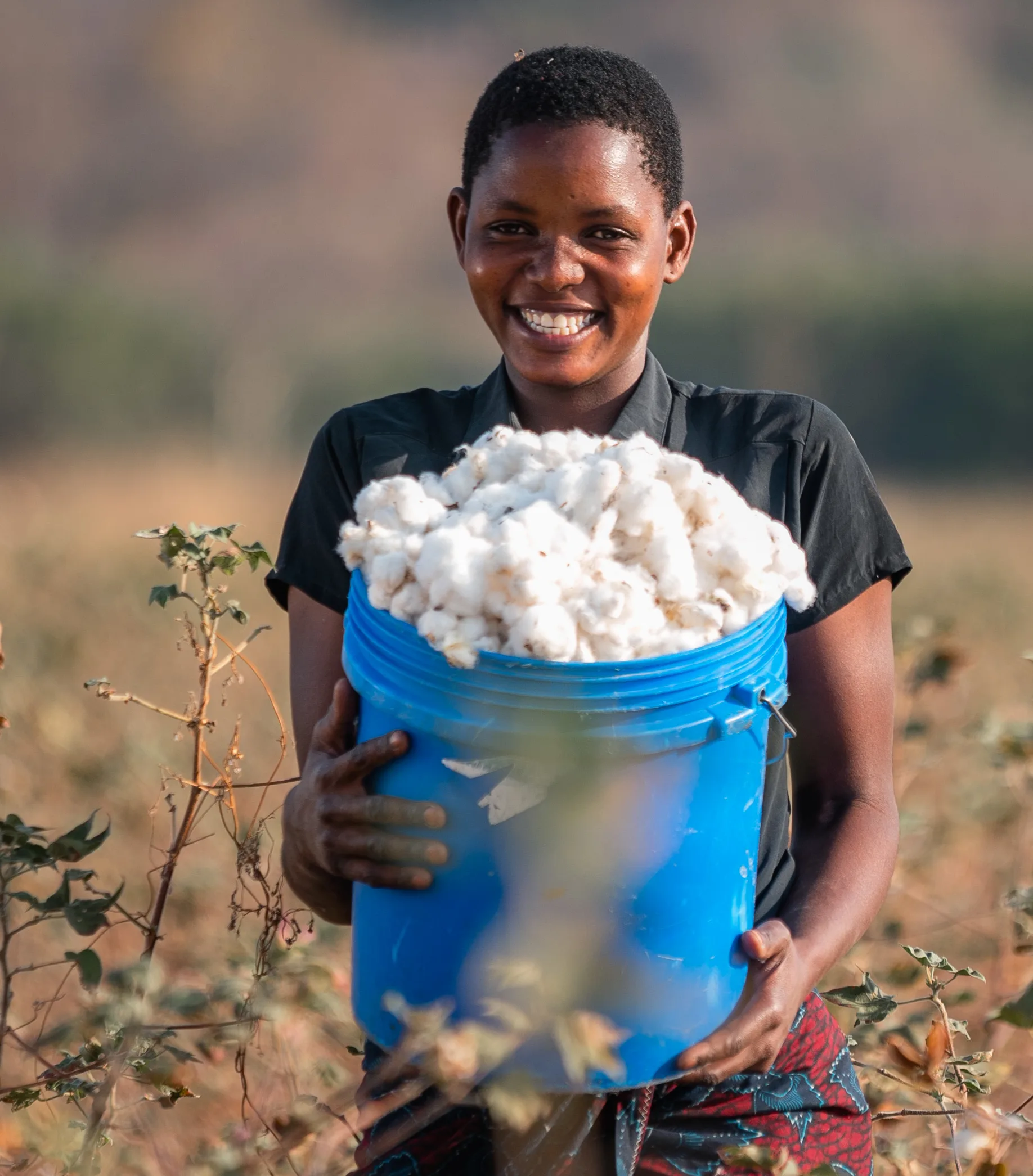
Community
Beyond cotton fields
Schools, wells, and healthcare facilities are built where cotton grows. Women’s empowerment and education programmes are conducted alongside environmental and nature conservation.
Get involved
Impact
The scale of CmiA’s impact
715,000 farmers. Nine countries. Twenty-eight hundred supply chain partners. Fifty-four textile production markets.
715,000
Small-scale farmers
2,800
Global supply chain partners
36%
African cotton verified
Milestones
Two decades of impact
From a philanthropic vision to the world’s leading sustainable African cotton standard. Each milestone marks a step forward in connecting farmers with global brands.
From the Field
Premium
CmiA Organic: verified sustainable and organic
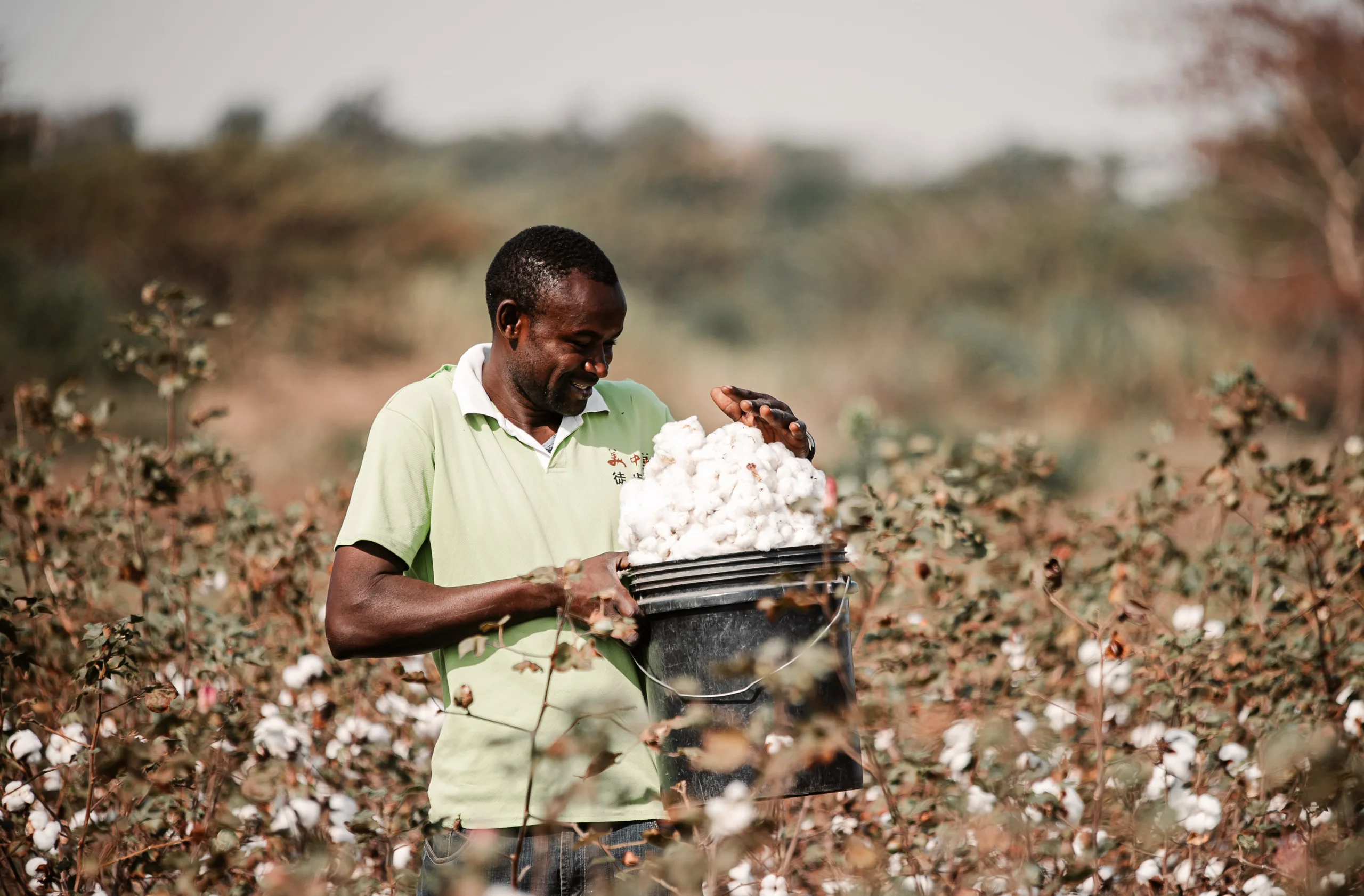
CmiA Organic extends the standards system and meets EU organic regulation requirements.
Learn more about CmiA Organic