Regenerative Agriculture, Climate and healthy soils
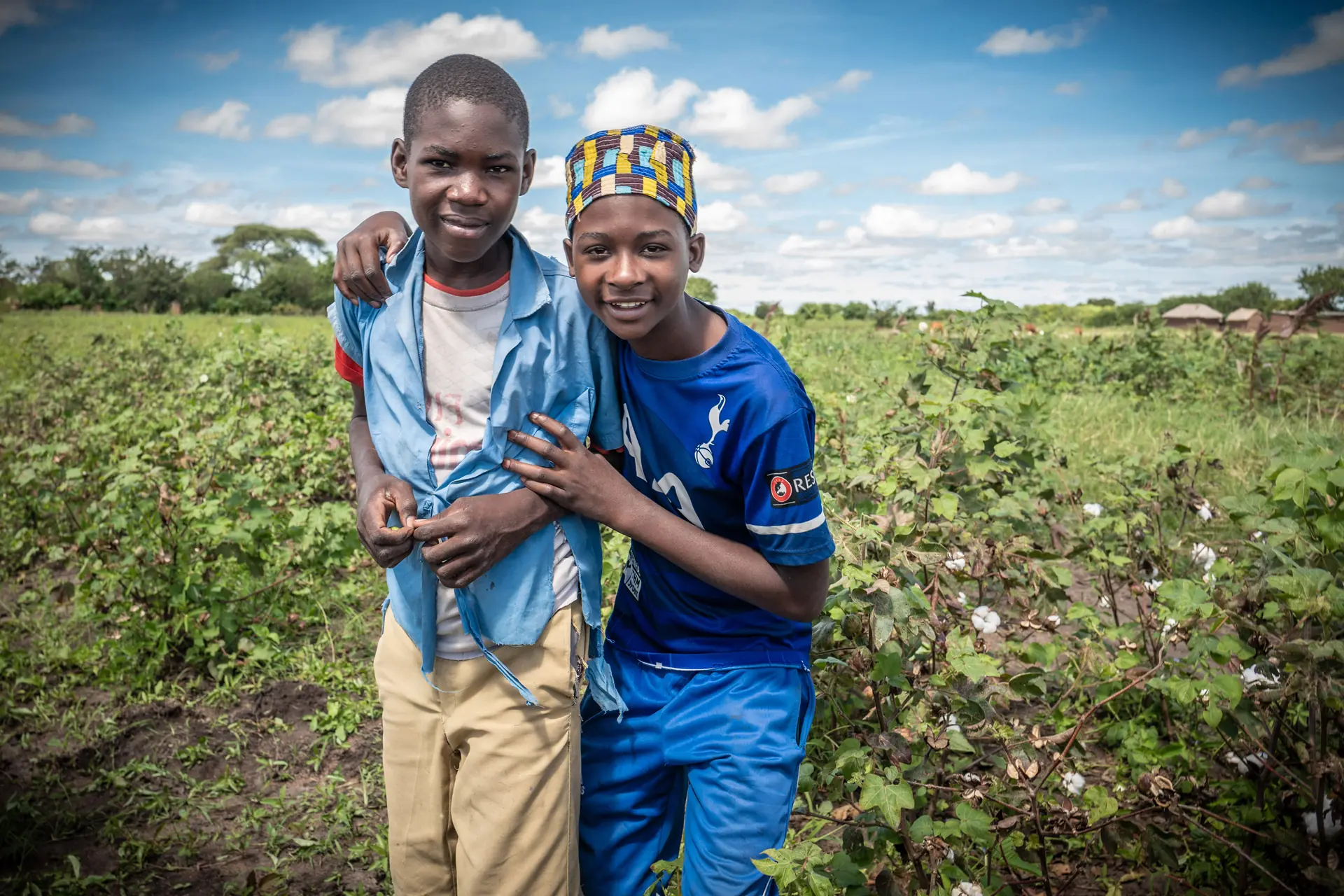
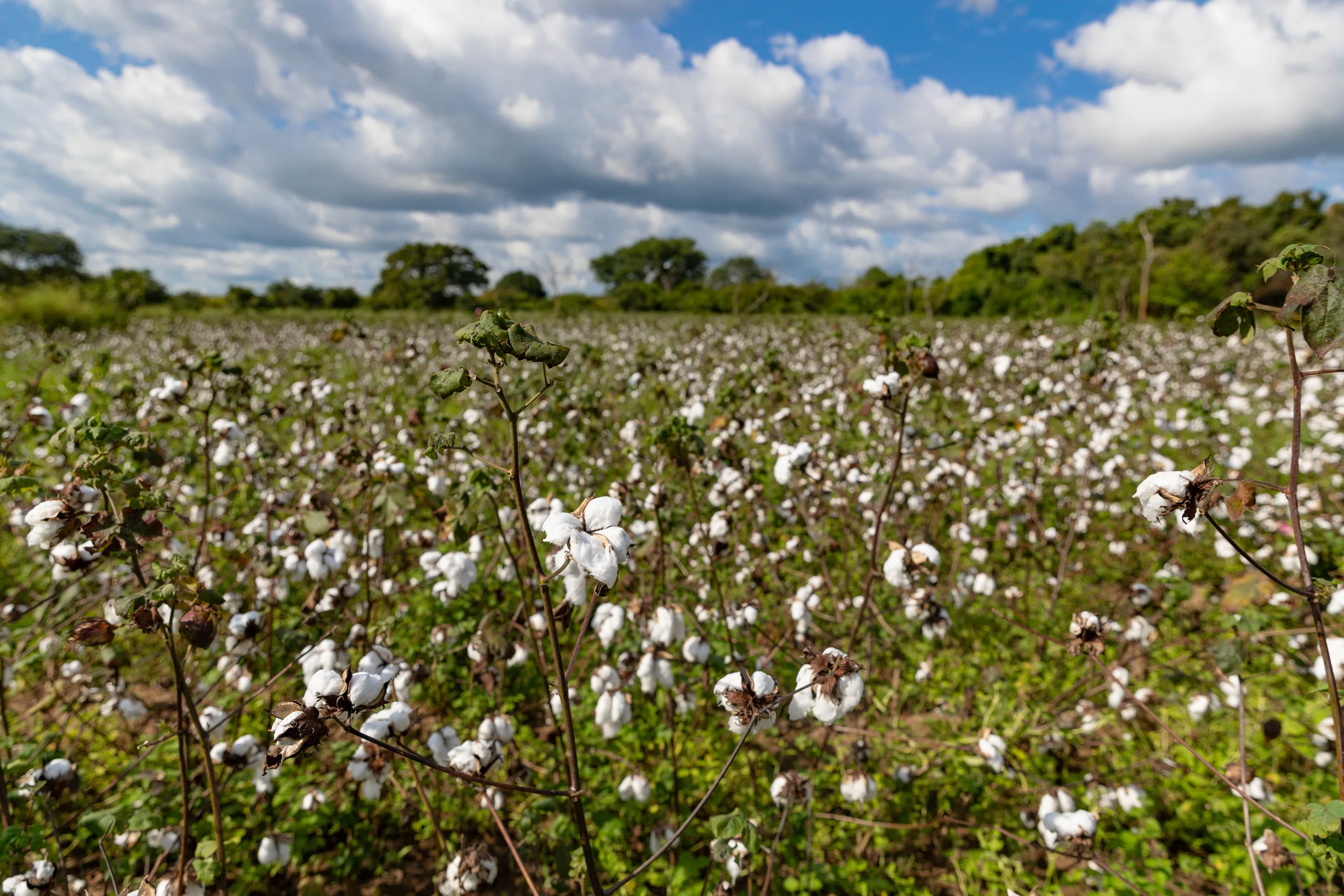
How small-scale farmers manage their cotton fields has a significant impact on soil health, the global climate, and biodiversity. Recognizing this, the Cotton made in Africa® (CmiA) standard has long integrated sustainable agricultural practices into its core requirements. Today, these practices fall under the umbrella of regenerative agriculture—a holistic approach designed not only to restore soil fertility but also to actively protect the climate and the environment.
The Crucial Role of Soil and the Threat of Climate Change
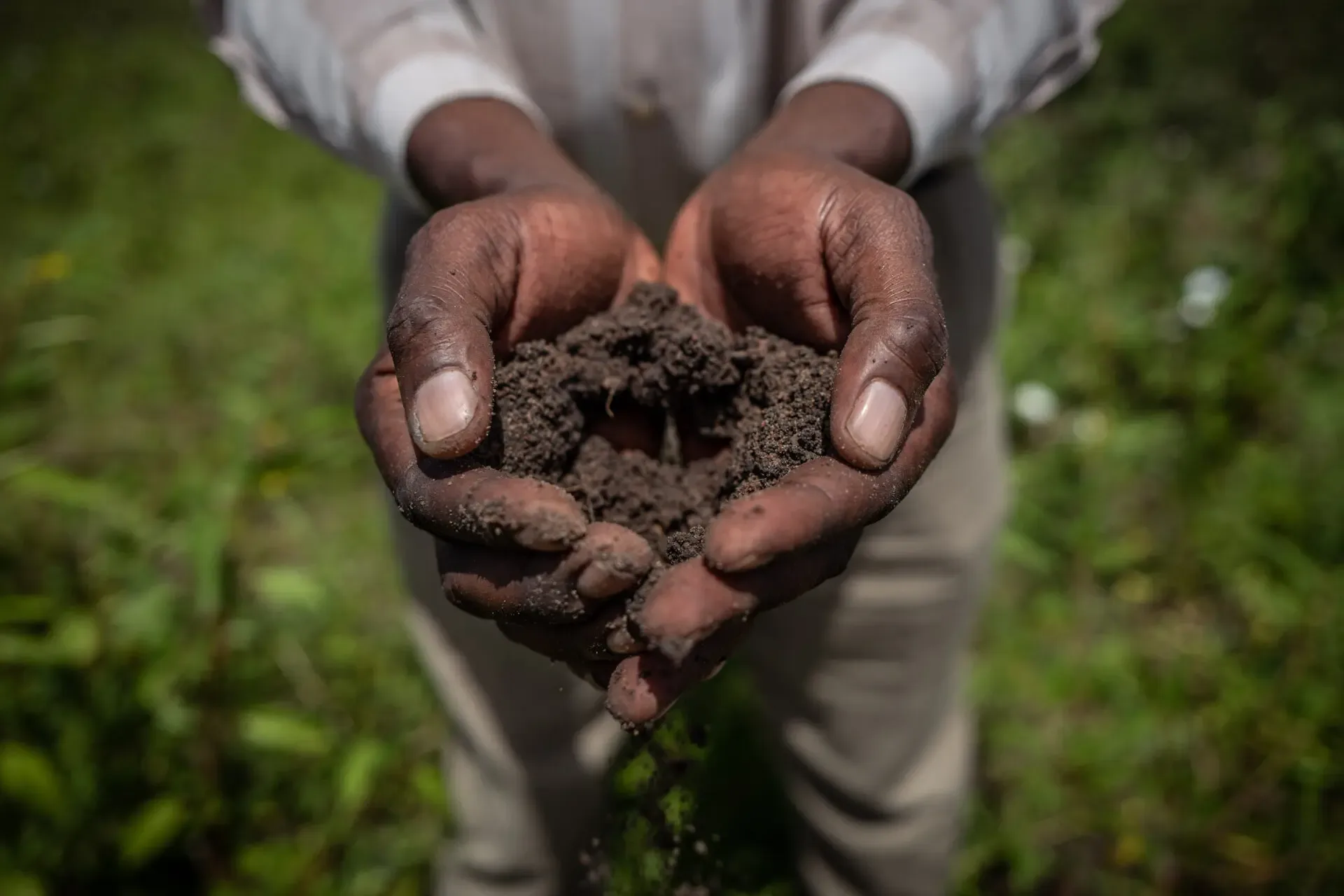
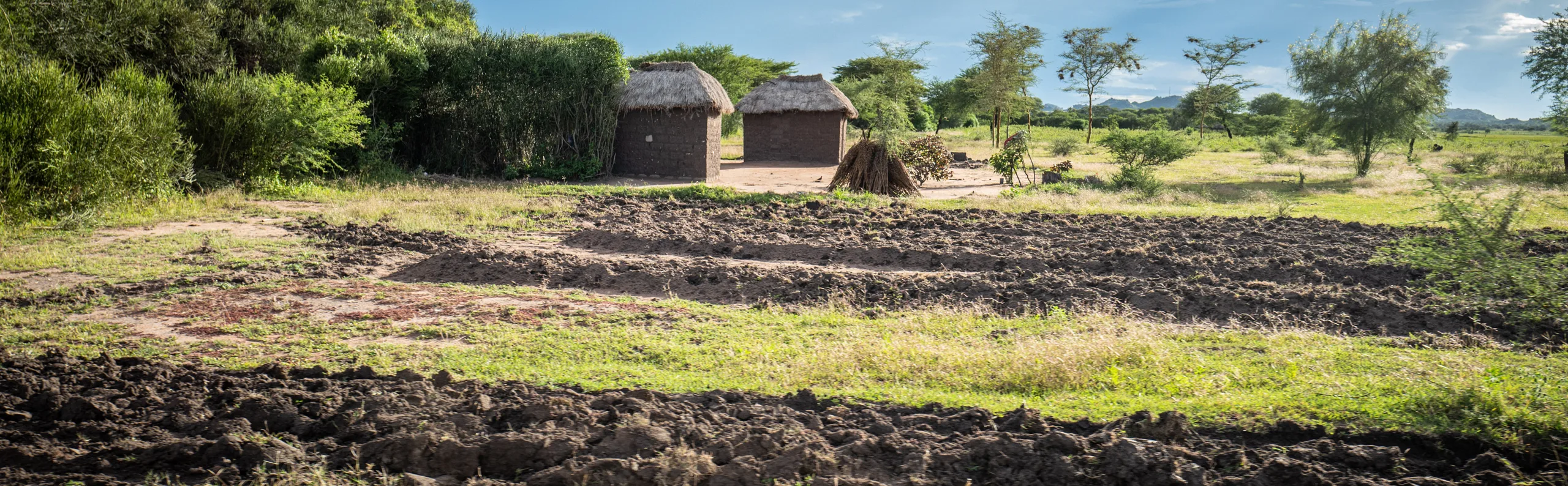
Soil is a central, yet often neglected, foundation for protecting the global climate, preserving biodiversity, and ensuring human survival. The way we treat our land determines whether unique plant and animal species can survive and whether future generations can continue to live off the land. This is especially true in rural Africa, where healthy soil is a fundamental building block for the future of numerous small-scale farming families, offering long-term assurance of reliable nutrition and stable harvests.
Globally, around 23 percent of human-caused greenhouse gas emissions are generated by the agriculture and forestry sectors. Regenerative agriculture aims to reduce this footprint by focusing on restoring healthy, resilient soils that can capture and store CO2. Soils are the world's second-largest carbon sink, absorbing more carbon dioxide from the atmosphere than they release, provided they are managed sustainably.
However, according to the United Nations’ Food and Agriculture Organisation (FAO), one-third of the world’s soils are already degraded. In Africa, approximately 65 percent of arable land is affected by erosion-based losses of topsoil and vital nutrients. While chemical fertilisers can temporarily replace lost nutrients, they cannot restore organic matter and eventually leave the land even more vulnerable. Driven by climate change, smallholders face increasingly unpredictable and severe weather patterns, including torrential rainfall, prolonged droughts, shorter growing seasons, and declining biodiversity. Because their livelihoods depend entirely on crop yields, these families are among the most vulnerable to global warming, making soil fertility a matter of direct survival.
Get Involved
Hands-On Training and Sustainable Standards
To build long-term resilience, CmiA collaborates with agricultural experts and partner cotton companies to design comprehensive training programmes focused on regenerative agriculture. Measures for sustainable soil management are firmly anchored in the Cotton made in Africa standards and are regularly reviewed.
A key element of this strategy is a train-the-trainer model that empowers local extension officers—the agricultural advisors employed by partner cotton companies. CmiA provides these officers with specialized qualification programmes and interactive materials. These advisors then conduct hands-on training and field testing directly with the farmers, guiding them in restorative soil management.
Soil
CmiA’s Four Pillars of Regenerative Agriculture in Practice
To protect the climate and support farming communities, CmiA combines a variety of eco-friendly methods across four interconnected pillars:
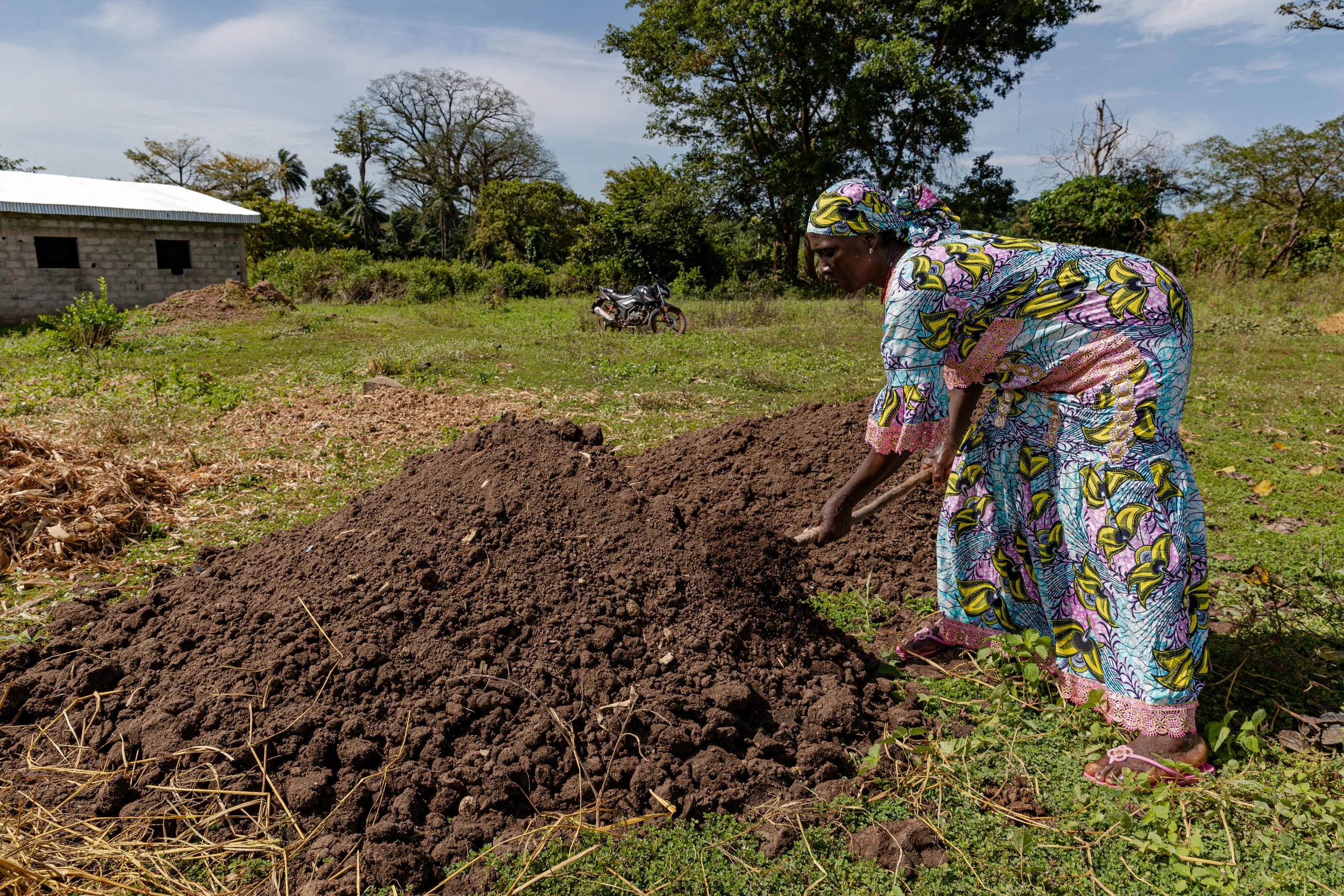
Healthy Soils
Maintaining soil health is crucial to mitigating climate change, as organic-rich soil has a natural capacity to capture carbon. CmiA farmers use techniques like low-till or zero-tillage (no-till farming) to avoid disturbing the soil, which also helps to reduce evaporation. This is complemented by crop rotation, intercropping (growing a variety of crops in one field), mulching, and humus formation to improve soil structure.
Strong Plants
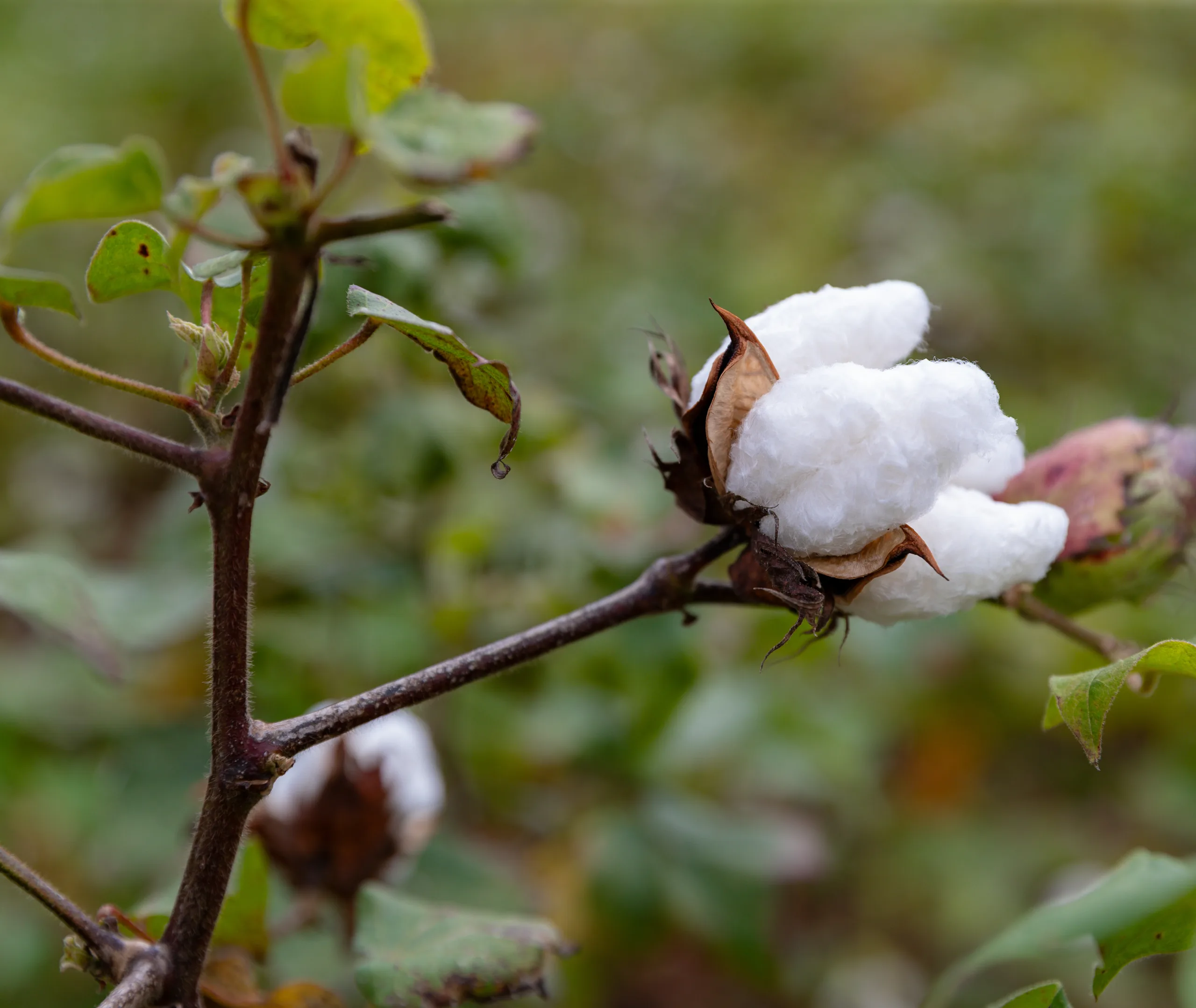
Through Integrated Production and Pest Management (IPPM), farmers learn to protect crops naturally. By combining organic seed treatments, plant-based pest control (such as planting sunflowers to distract pests from cotton), molasses traps, and organic fertilisers, they strengthen plants naturally and drastically reduce the need for chemical pesticides and synthetic fertilisers.
Intact Environment
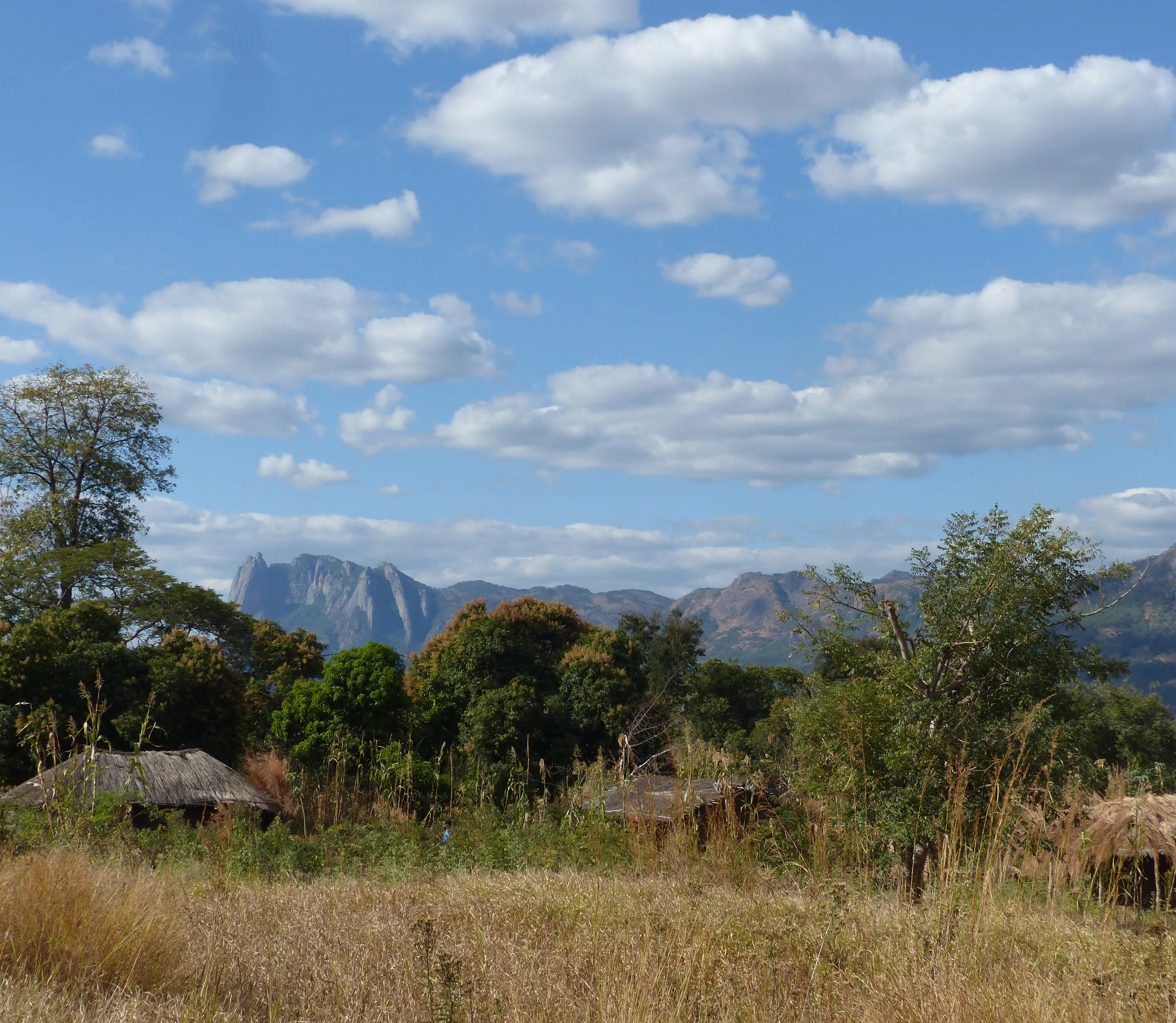
Environmental protection extends beyond the fields. Farmers plant trees, bushes, and hedges to stem erosion, support wild animals and birds, and source materials for organic pesticides. Afforestation and forest conservation also play key roles in preserving natural habitats.
Resilient Farming Families
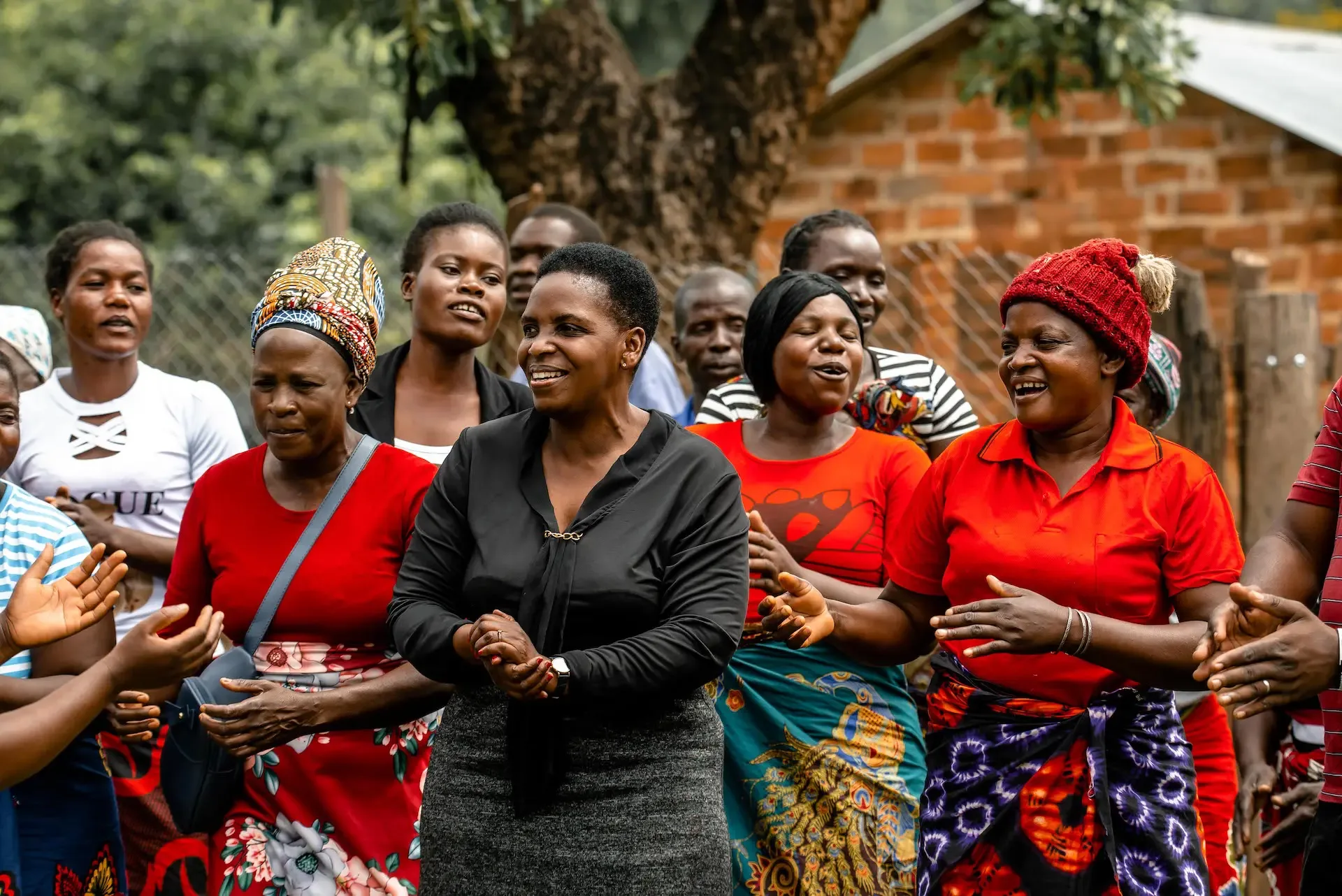
These environmental measures directly improve the livelihoods of farming families. Healthy soils lead to healthy plants, better harvests, and higher incomes. Through diverse crop rotations with catch crops, farmers also grow food for their own tables, while climate-focused training enables them to manage their farms more effectively under changing environmental conditions.
Methods
Innovative Regenerative Methods
CmiA continuously explores and promotes innovative regenerative cultivation techniques

Composting and Microbial Support
Farmers receive training in advanced composting techniques, which includes utilizing self-cultured compost microbes to naturally boost soil fertility and restore soil vitality.

Pyrolysis (Biochar)
CmiA is implementing pyrolysis, a process that heats biomass in the absence of oxygen to produce vegetable carbon (biochar). When mixed with compost or manure, biochar acts like a sponge, absorbing nutrients and beneficial microorganisms. This significantly improves the soil's structure and water-retention capacity while permanently locking carbon in the ground. The practical application of biochar is currently being evaluated to adapt to local conditions in different CmiA countries.

Carbon Farming
Sed ut perspiciatis unde omnis iste natus error sit voluptatem accusantium doloremque laudantium, totam rem aperiam, eaque ipsa quae ab illo inventore veritatis et quasi architecto beatae vitae dicta sunt explicabo.
Impact
Sharing Knowledge to Scale Impact
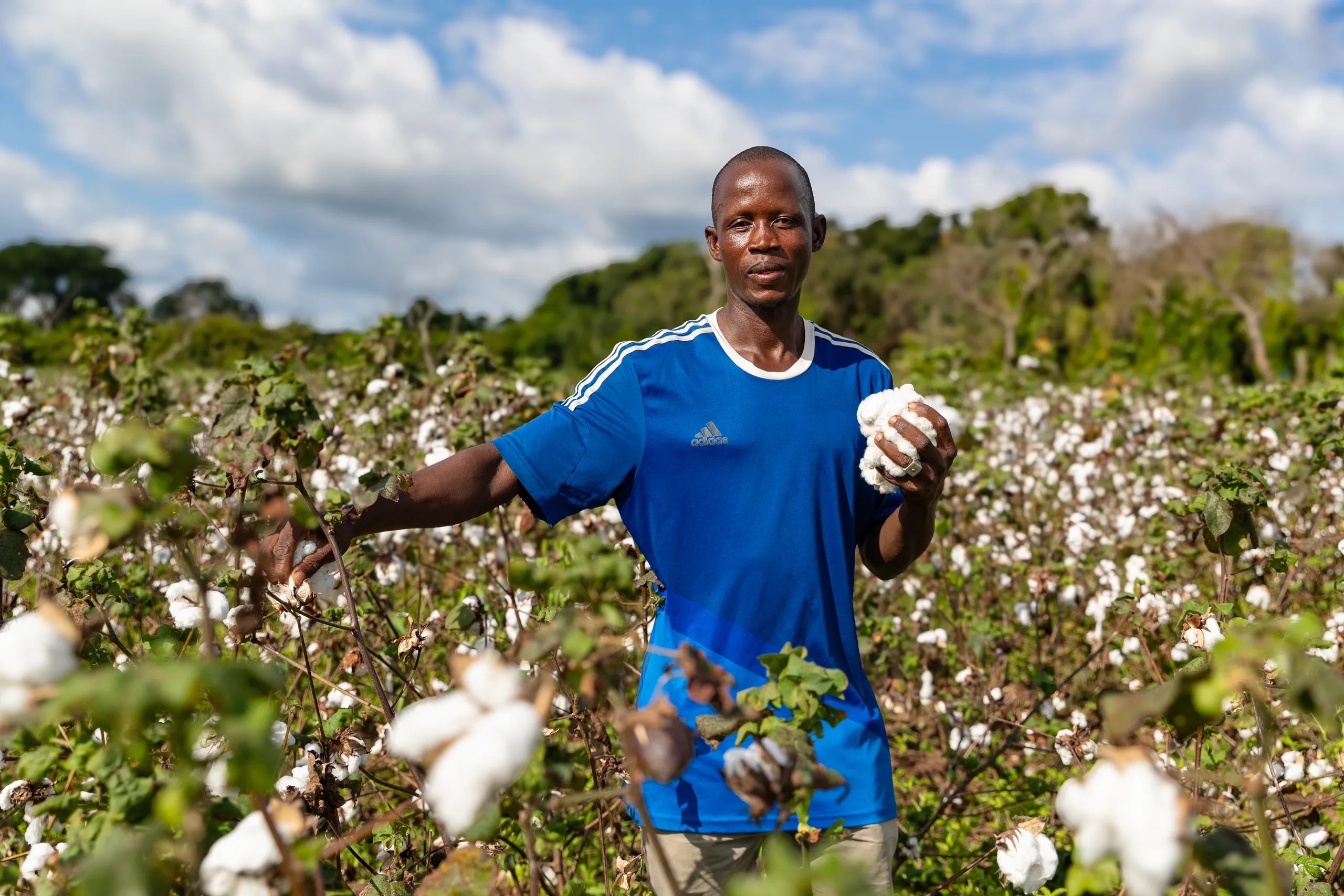
A core part of CmiA's strategy is fostering transnational and inter-organisational knowledge sharing among partner cotton companies. By sharing successful practices and lessons learned across borders, regenerative approaches are scaled up to the entire CmiA network in Africa. This continuous exchange of knowledge helps to sustainably improve farming practices, ultimately benefiting hundreds of thousands of people working in cotton production and restoring tens of thousands of hectares of land.
Looking ahead, the Aid by Trade Foundation (AbTF) developed the Regenerative Cotton Standard® in 2023. This holistic standard is implemented in Tanzania and in India and offers both textile companies and cotton farmers a comprehensive, future-facing approach to meet the growing climatic and environmental challenges in the global textile industry.
Learn more about Regenerative Cotton
Need more information?
Our team is ready to answer your questions.