Cotton Story — 3 April 2014
CmiA pays off for smallholder farmers
AbTF takes stock of its work in Africa In 2011, the National Opinion Research Institute (NORC) laid the foundation for measuring the development and success […]
AbTF takes stock of its work in Africa
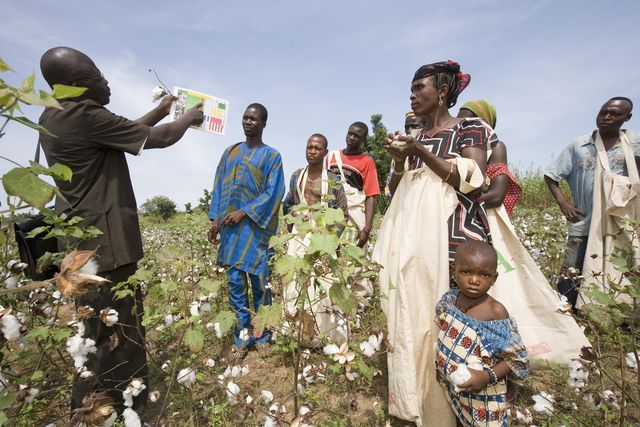
In 2011, the National Opinion Research Institute (NORC) laid the foundation for measuring the development and success of Cotton made in Africa (CmiA) by conducted field studies in five project countries. Based on these studies, the initiative evaluated the effectiveness of its work through the use of representative surveys in Zambia and Zimbabwe: The result is positive.
The representative surveys show that the harvest results in the CmiA growing area increased by an average of 23% compared to the baseline in 2010. Only through boosting yield can the smallholder farmers increase their financial income in the long term and thus improve their living conditions on their own.
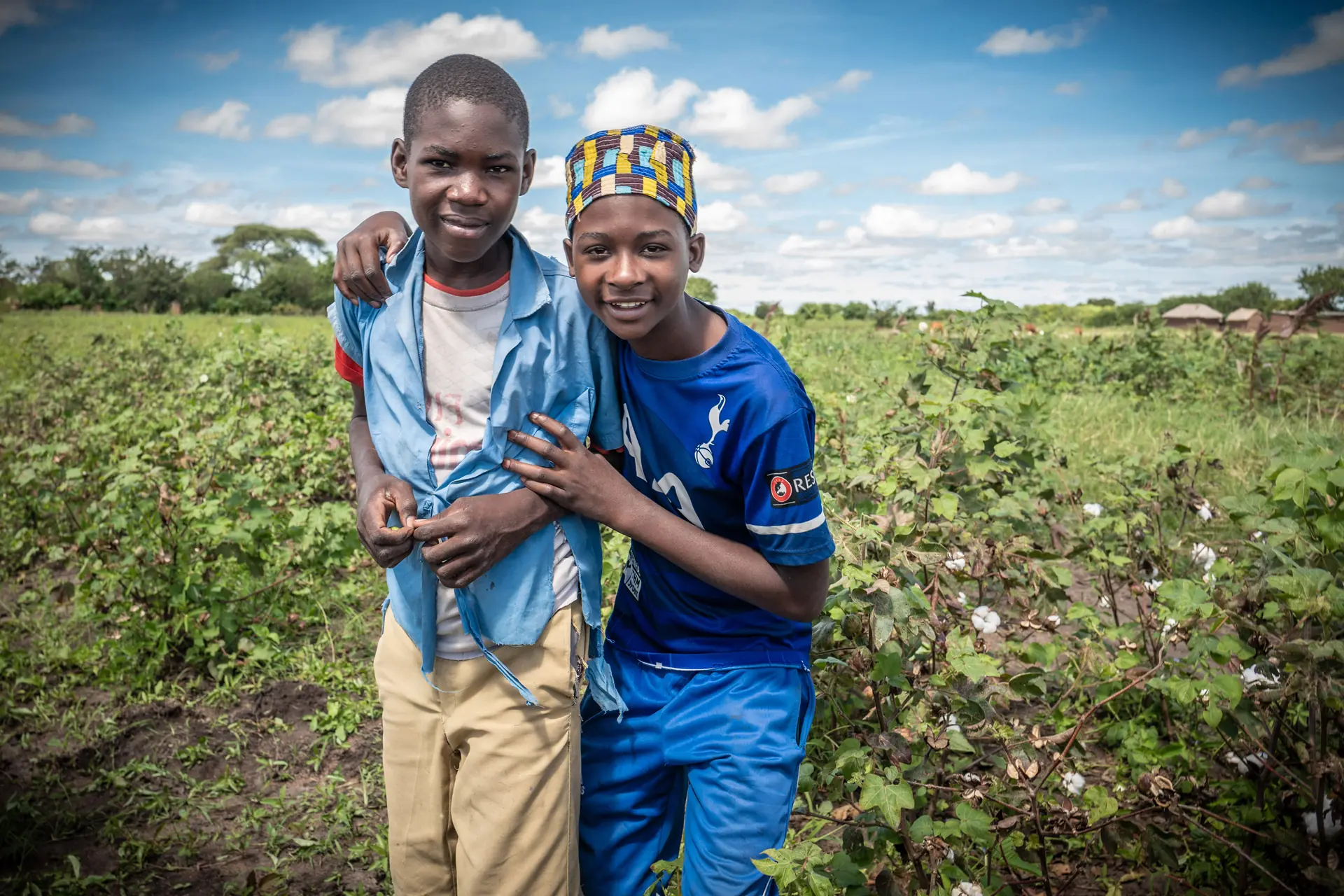
CmiA invests in school infrastructure as part of social projects and awareness-raising. Some 80% of children in the CmiA growing regions now go to school. In 2010, this figure was only 65%. In addition, measuring the initiative's effectiveness provides in-depth insight into the acceptance of training measures CmiA offers in cooperation with the Competitive African Cotton Initiative (COMPACI) and local partners. The farmers use at least two methods to improve soil fertility accordingly: Beyond using organic fertilizer, 80% of the farmers are increasingly focusing on crop rotation. These and other cultivation methods are not only ecologically useful but also pay off through higher crop yields for smallholder farmers.
Read the: Yield Assessment Methods in COMPACI 2014