News — 15 March 2018
Female Smallholder Farmers in Africa are True Multi-Talents
Female smallholder farmers in Africa play a key role in the Cotton made in Africa (CmiA) initiative. These strong women work hard to create prospects […]
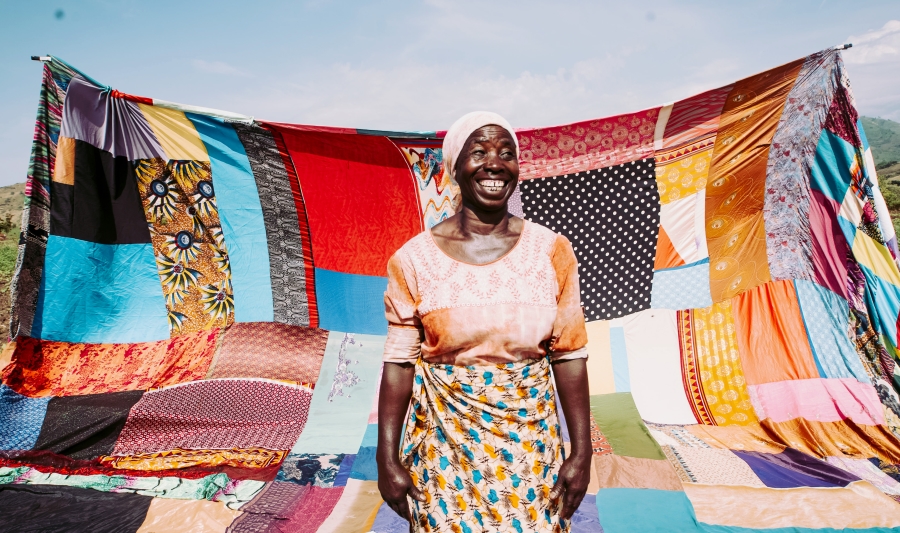
Female smallholder farmers in Africa play a key role in the Cotton made in Africa (CmiA) initiative. These strong women work hard to create prospects for themselves and their families in rural regions of Africa, and they need to be true multi-talents – as mothers, smallholder farmers and small entrepreneurs. This is where CmiA comes in, providing training and financial support to give women in the CmiA cotton farming regions equal access to education and economic independence.
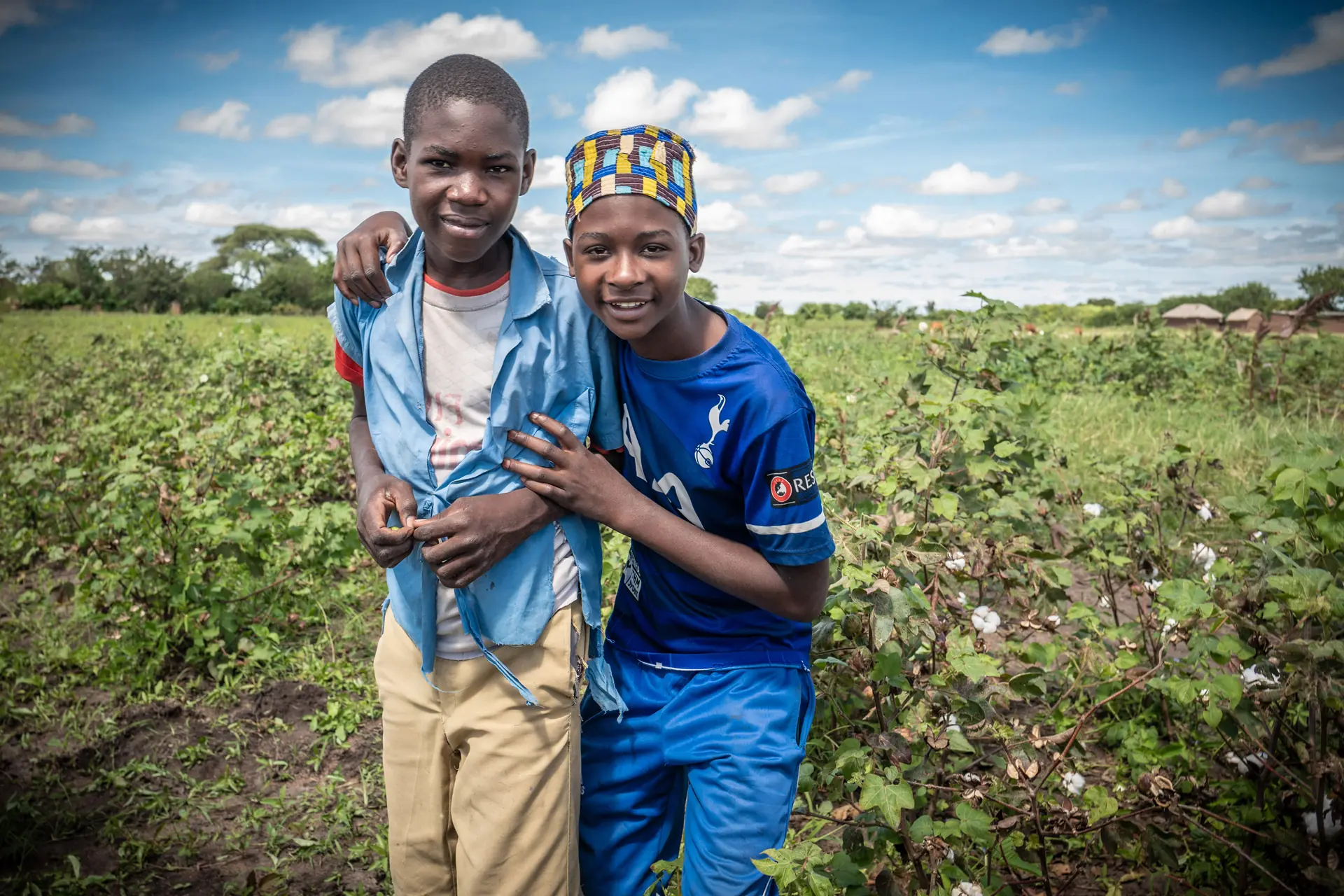
The world needs strong women. Strong women, whose self-confidence is steadily growing thanks to a special support program, are a key part of creating sustainable development in rural Africa. This is where Cotton made in Africa is active and cooperates with numerous female smallholder farmers. Female smallholder farmers are responsible for raising children and ensuring the well-being of the entire family, while they also handle the planting and harvesting of the cotton crops. This involves many tasks that require a great deal of strength, and which the Cotton made in Africa initiative picks up on by offering a wide range of support.
For instance, agricultural trainings are specifically tailored to the needs of female smallholder farmers. One of these farmers is Juliyana Kabugho, from Kasese in West Uganda. Since joining Cotton made in Africa and participating in agricultural trainings, she has altered her farming methods considerably. She now cultivates her cotton fields more sustainably and according to ecological, economic and social standards. “Due to my cooperation with CmiA, I have gained knowledge on good agricultural practices,” says Kabugho. “After participating in the training, my cotton yield has increased from 200 to 500 kgs per acre. I am happy that last season I earned enough money by selling my cotton, so that I could start building a house,” she continues.
“By supporting women in the CmiA farming regions, we can help to significantly improve living conditions for female CmiA smallholder farmers, their families and entire communities,” says Tina Stridde, Managing Director of the Aid by Trade Foundation. “With our support, female cotton farmers gain more independence, and that directly impacts their families,” explains Stridde.
In the training sessions, Juliyana has learned all about the principles of good agricultural practices – including, amongst others, how to efficiently use fertilizers and how to create organic fertilizers. Since the CmiA standard prohibits artificial irrigation, Juliyana has adjusted her cotton farming schedule to correspond to the rainy season. This so called method of rainfed agriculture was one of the things she also learned in the farmer training. Compared to usage levels worldwide, this method can save more than 2,000 liters of water per kilogram of CmiA cotton.
International Women’s Day on March 8 was officially established about 100 years ago and is being celebrated all over the world today. It is one of many occasions that shed light on the fight for gender equality.